Somewhere Between
Alessia Ascolani
This thesis explores what it means to love a subculture from a distance. Oftentimes, subcultures are treated as closed systems where access is only granted to those who prove authenticity and legitimacy through active participation. This assumption however leaves little room for those who engage in subcultures in their own unique ways; those who engage through longing, admiration, nostalgia or even aesthetic attachment rather than physical involvement. For my thesis I will be using skateboarding as a case study. This research examines the “in-between” space between outsider and insider and evaluates how design practice can articulate this position and have its own perspective and voice.
Through firsthand ethnographic methods which include observation, interviews, visual documentation and thorough research into the history, I explore how skate culture reflects and interprets community, group authenticity and intention. What is clear is while participation remains as the core for subcultural identity, authenticity can also be crafted by personal engagement and positioning. I want to show how emotional proximity can constitute a valid and real transformative form of connection, countering the conventional definitions of subcultural belonging. This thesis argues that the “in-between” position, neither fully insider nor detached outsider, holds its own validity.
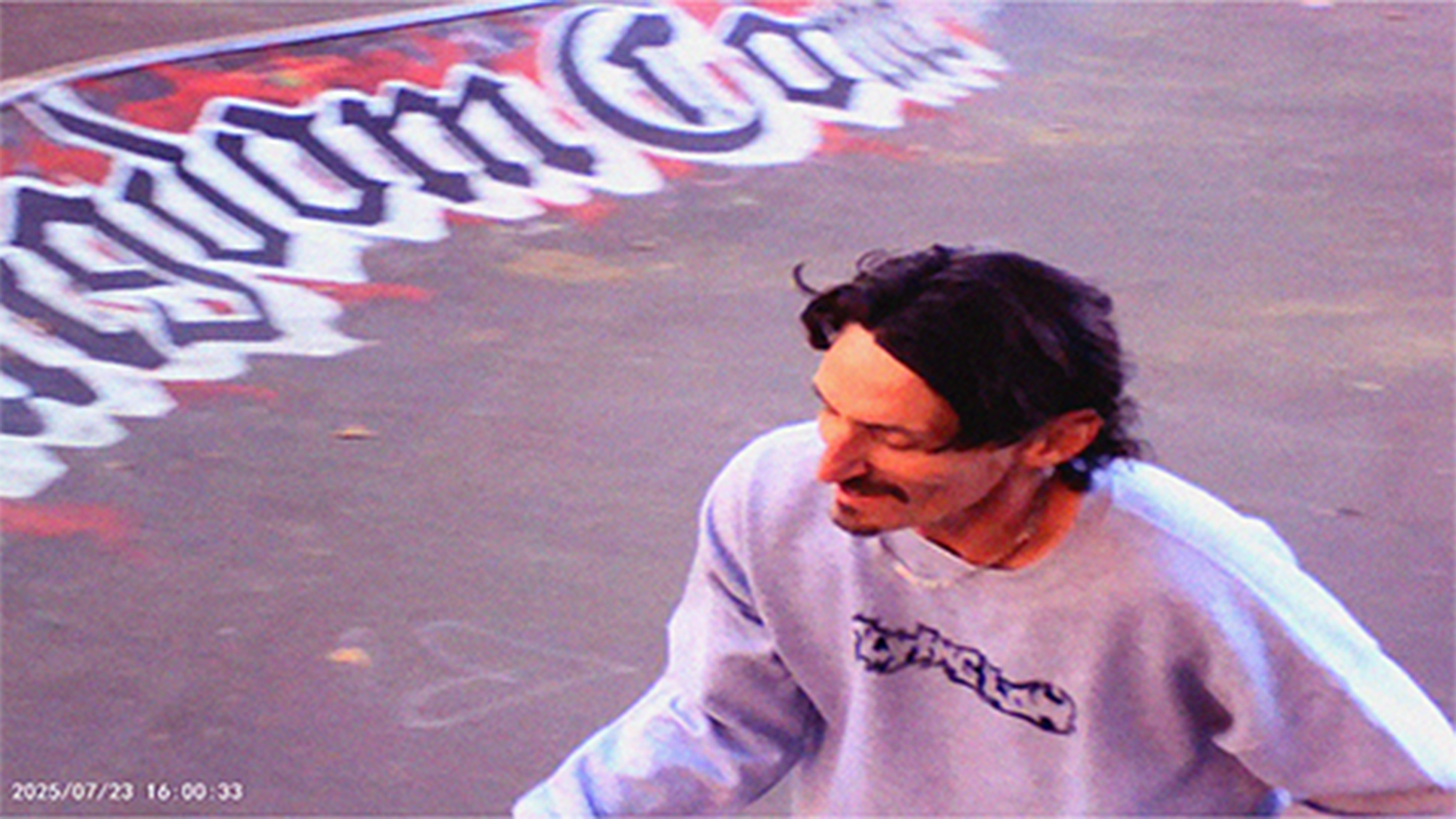
Coleman Skate Park
My photography of the Jeffrey at the Coleman Skate Park in LES.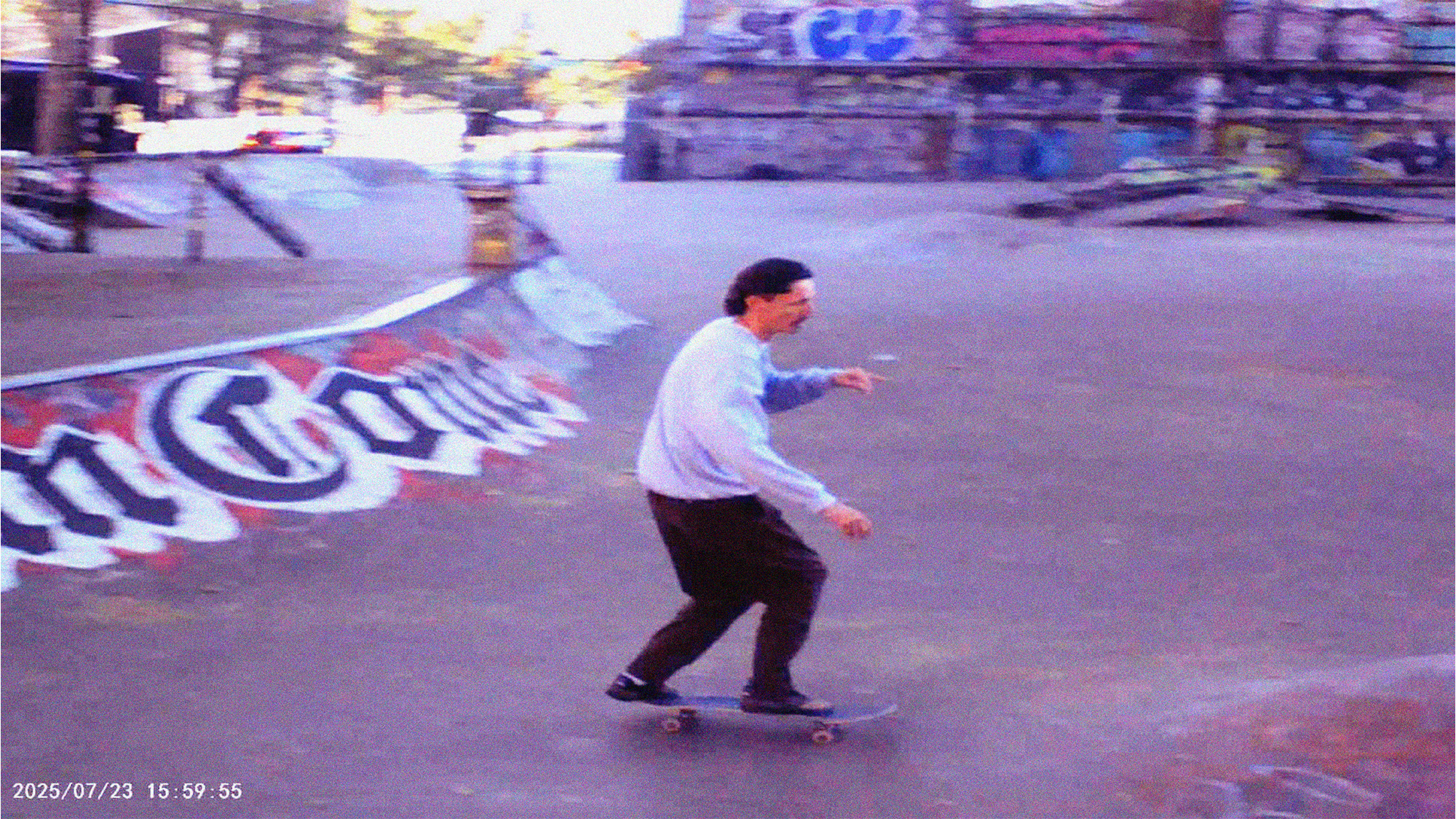
Coleman Skate Park
My photography of the Jeffrey at the Coleman Skate Park in LES.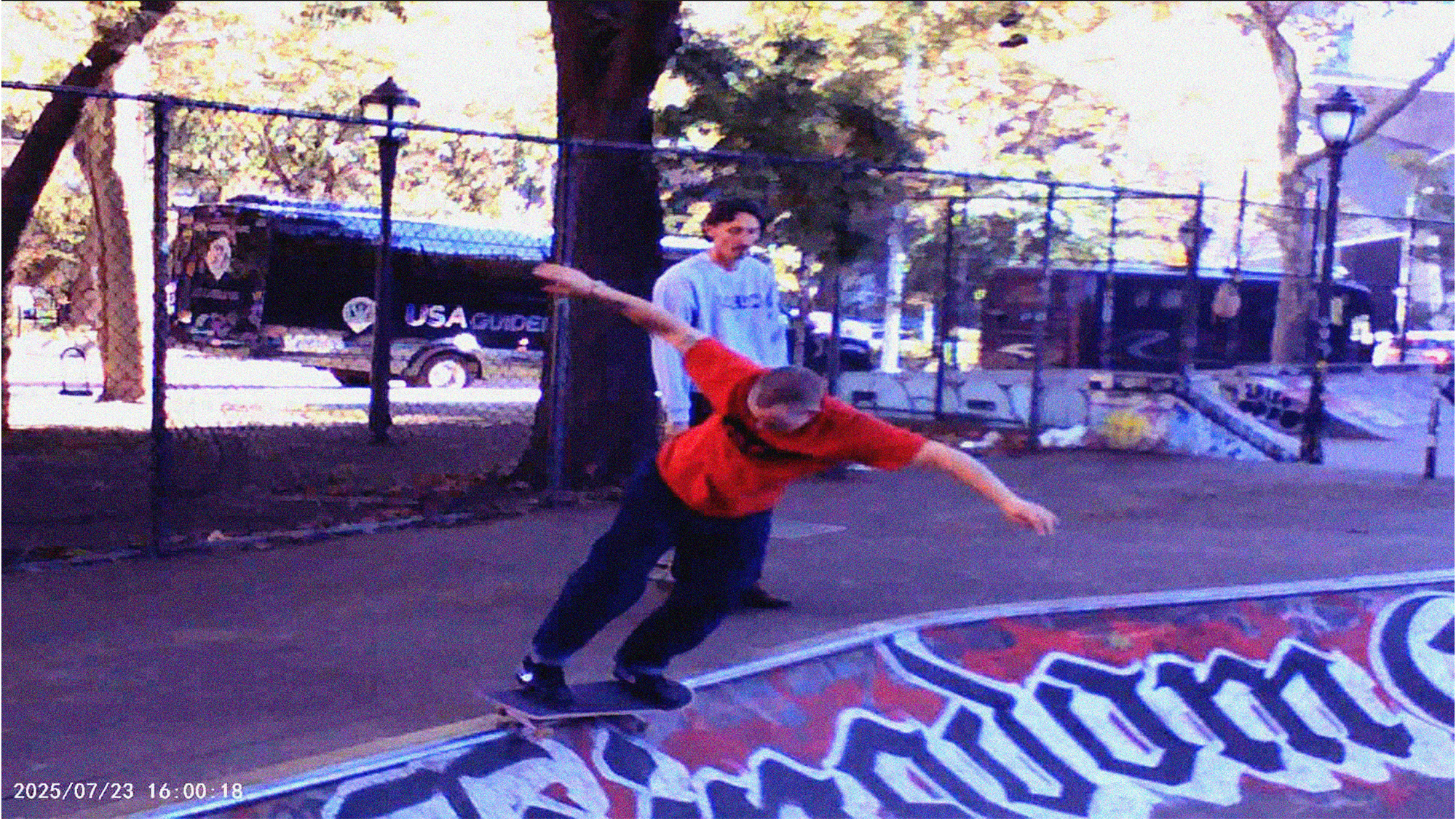
Coleman Skatepark
My photography of the Jeffrey at the Coleman Skate Park in LES.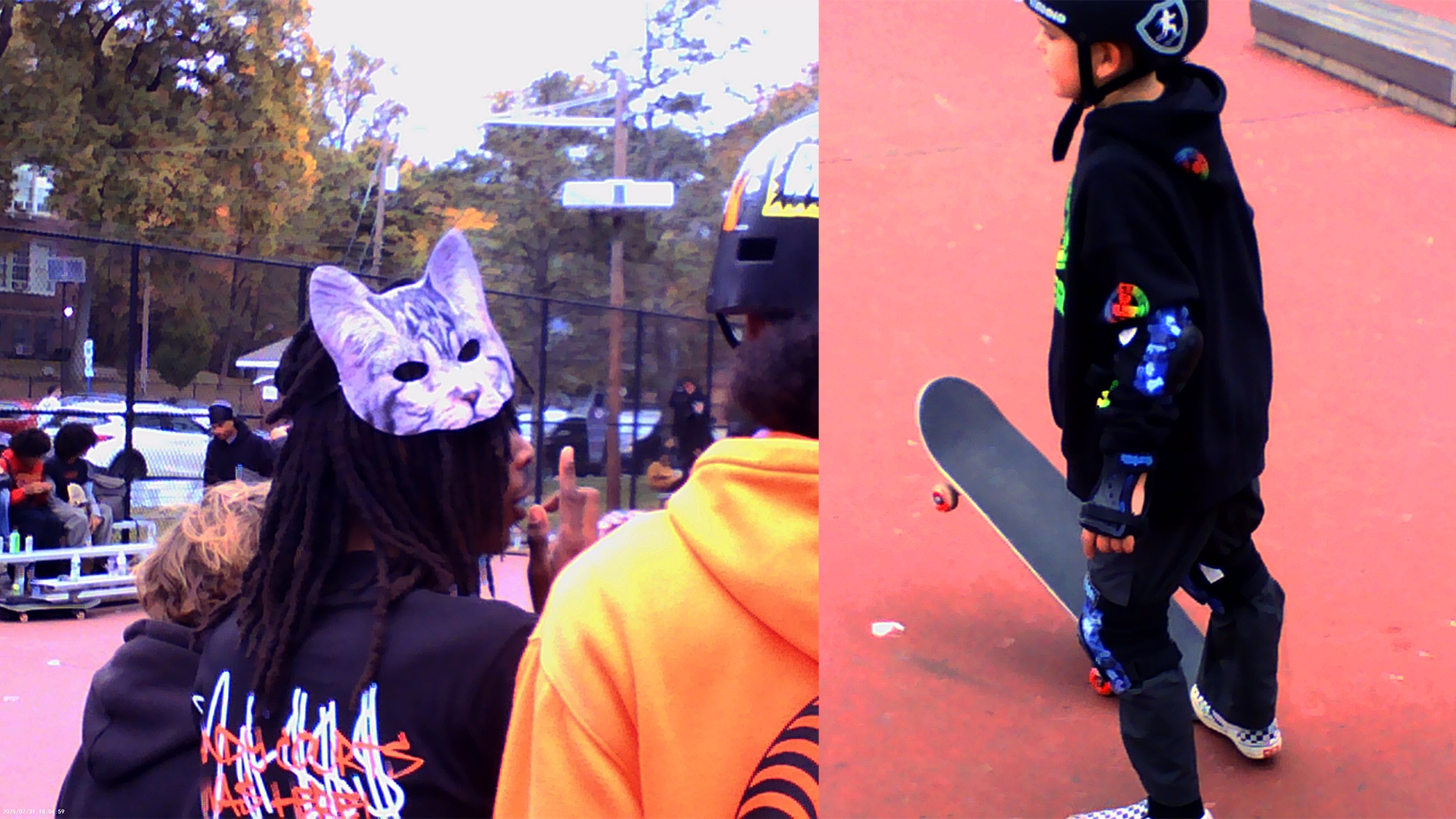
Candy Courts
My photography of the Halloween event at the Candy Courts in NJ.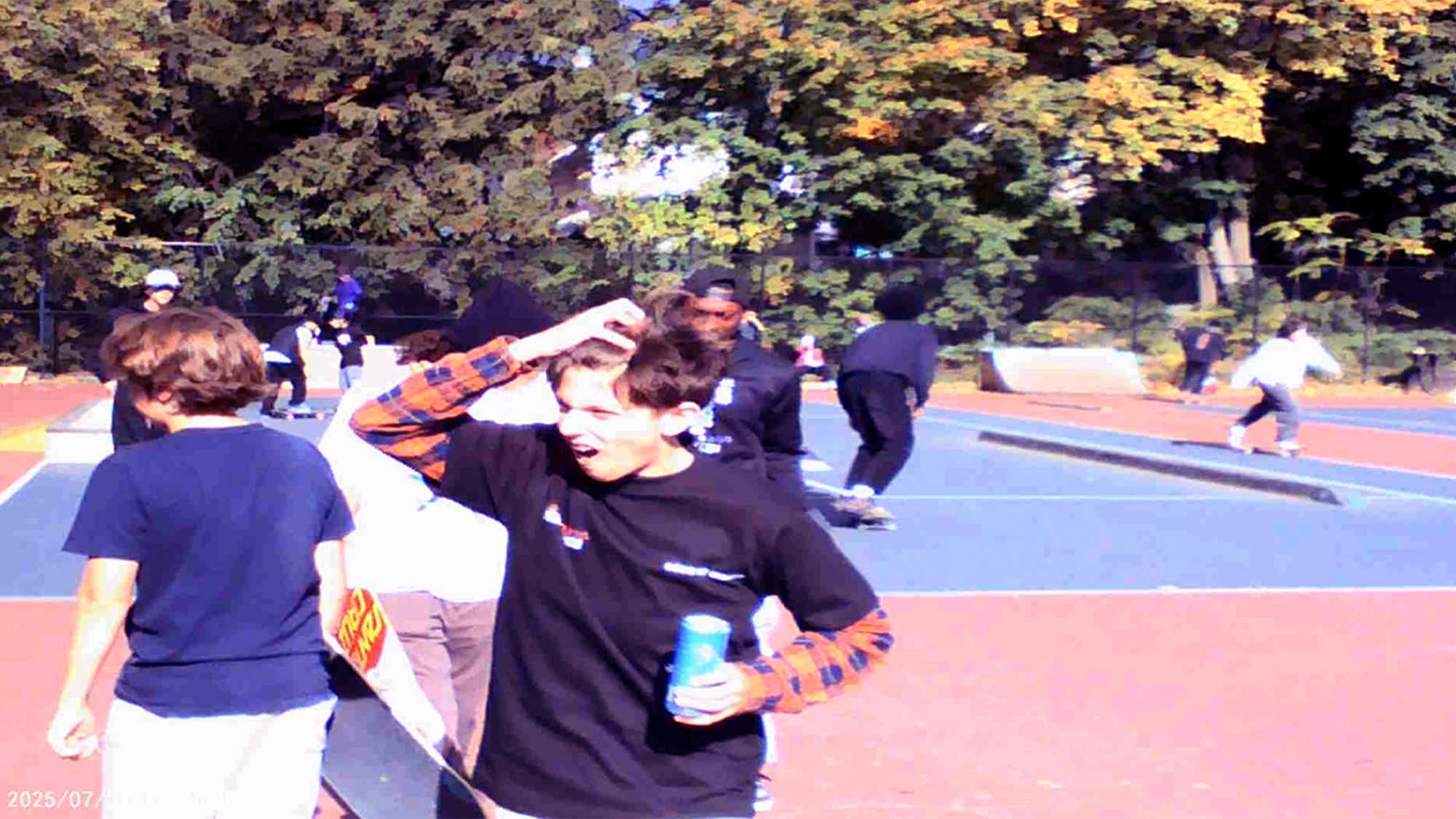
Candy Courts
My photography of the Halloween event at the Candy Courts in NJ.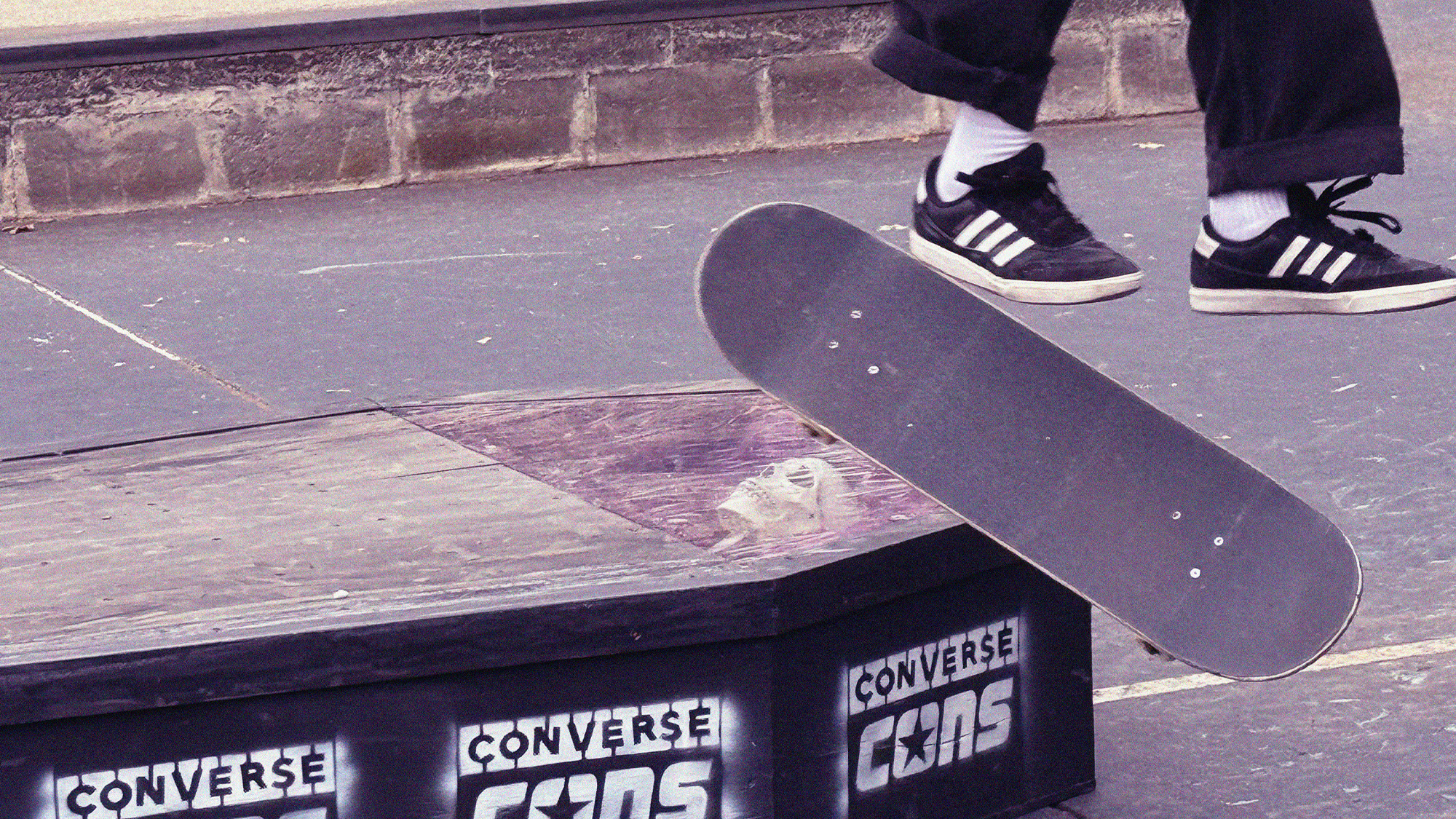
Candy Courts
My photography of the Halloween event at the Candy Courts in NJ.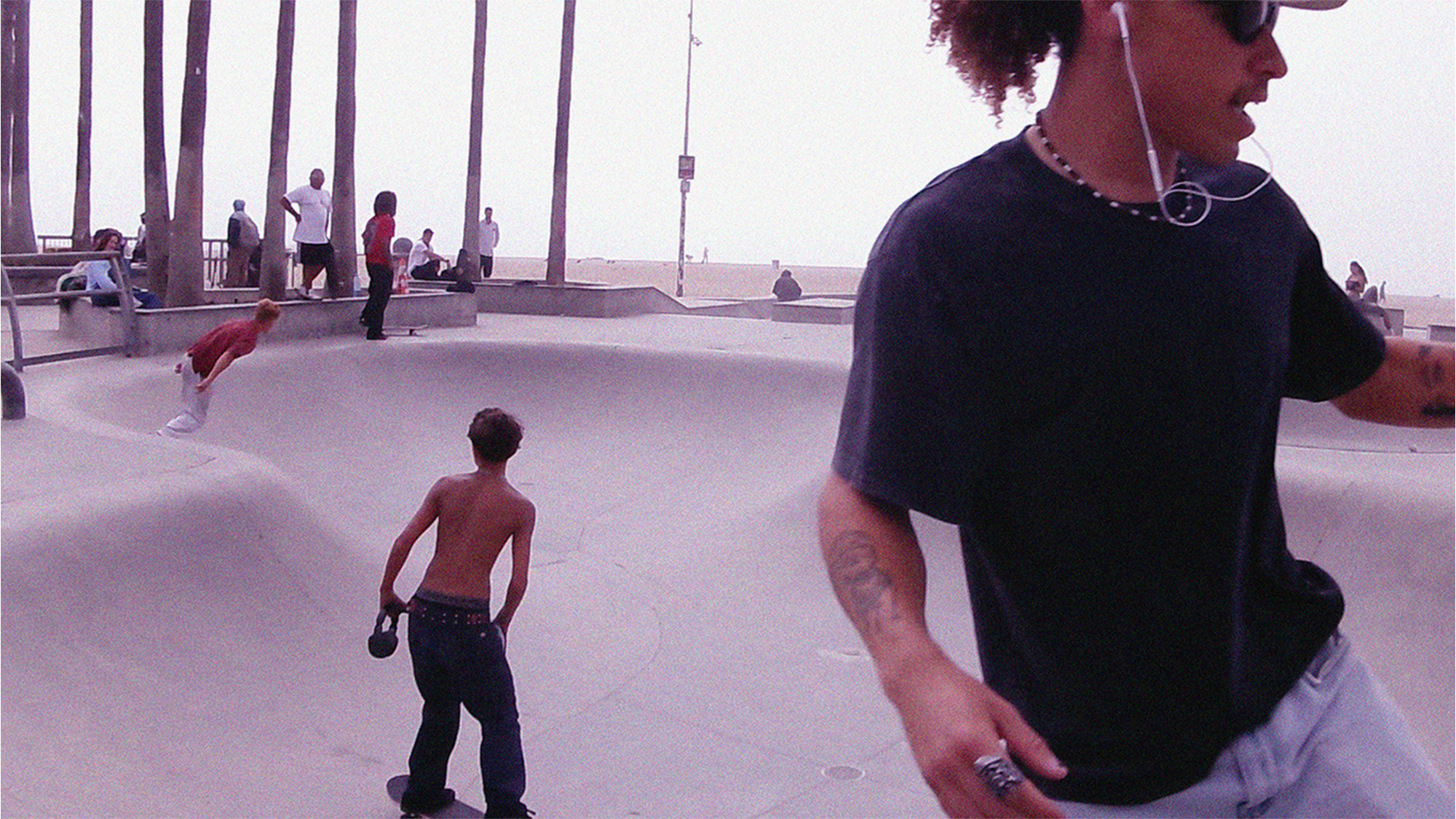
Venice Skate Park
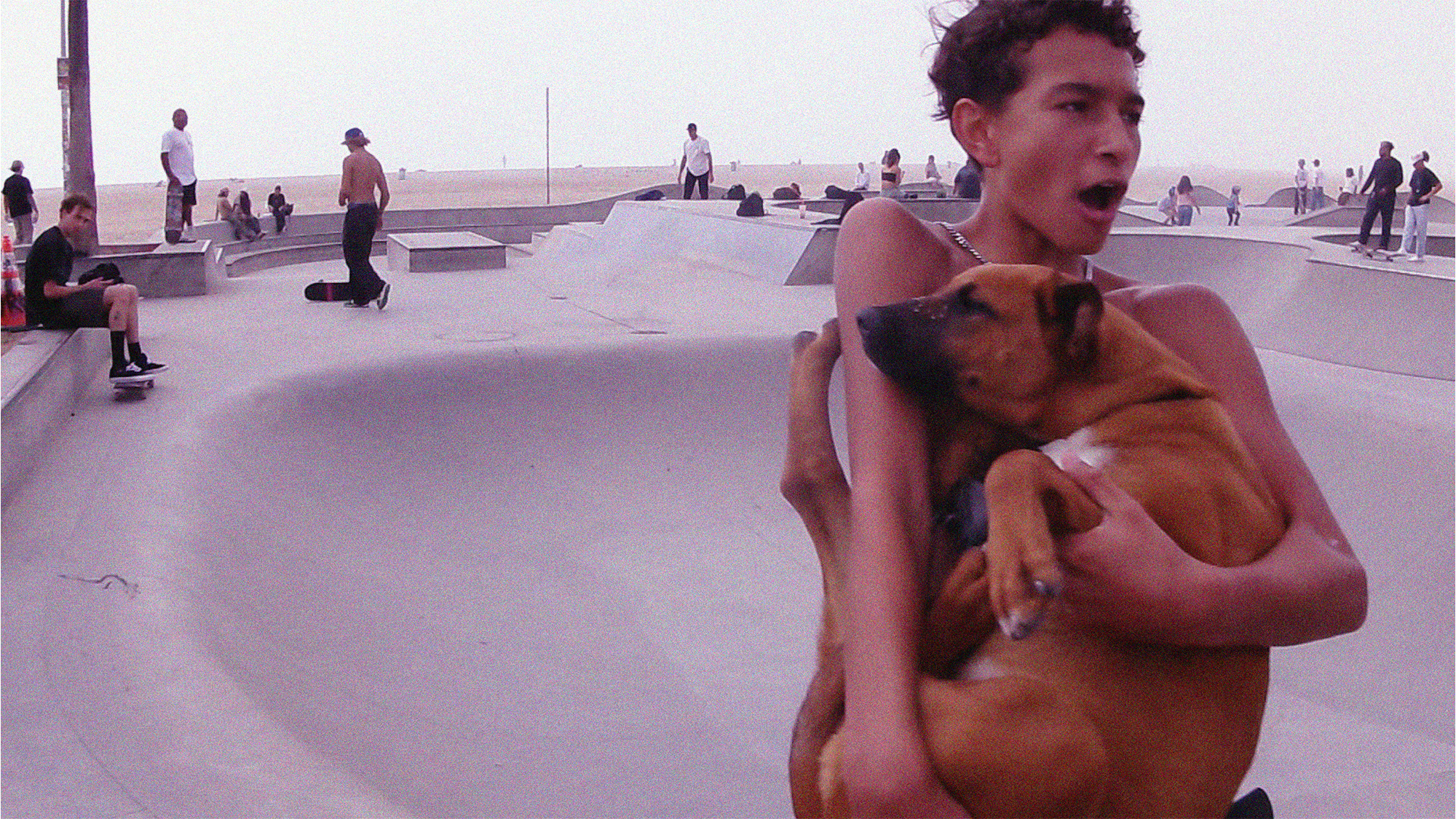
My photography of the Venice Skate Park in LA.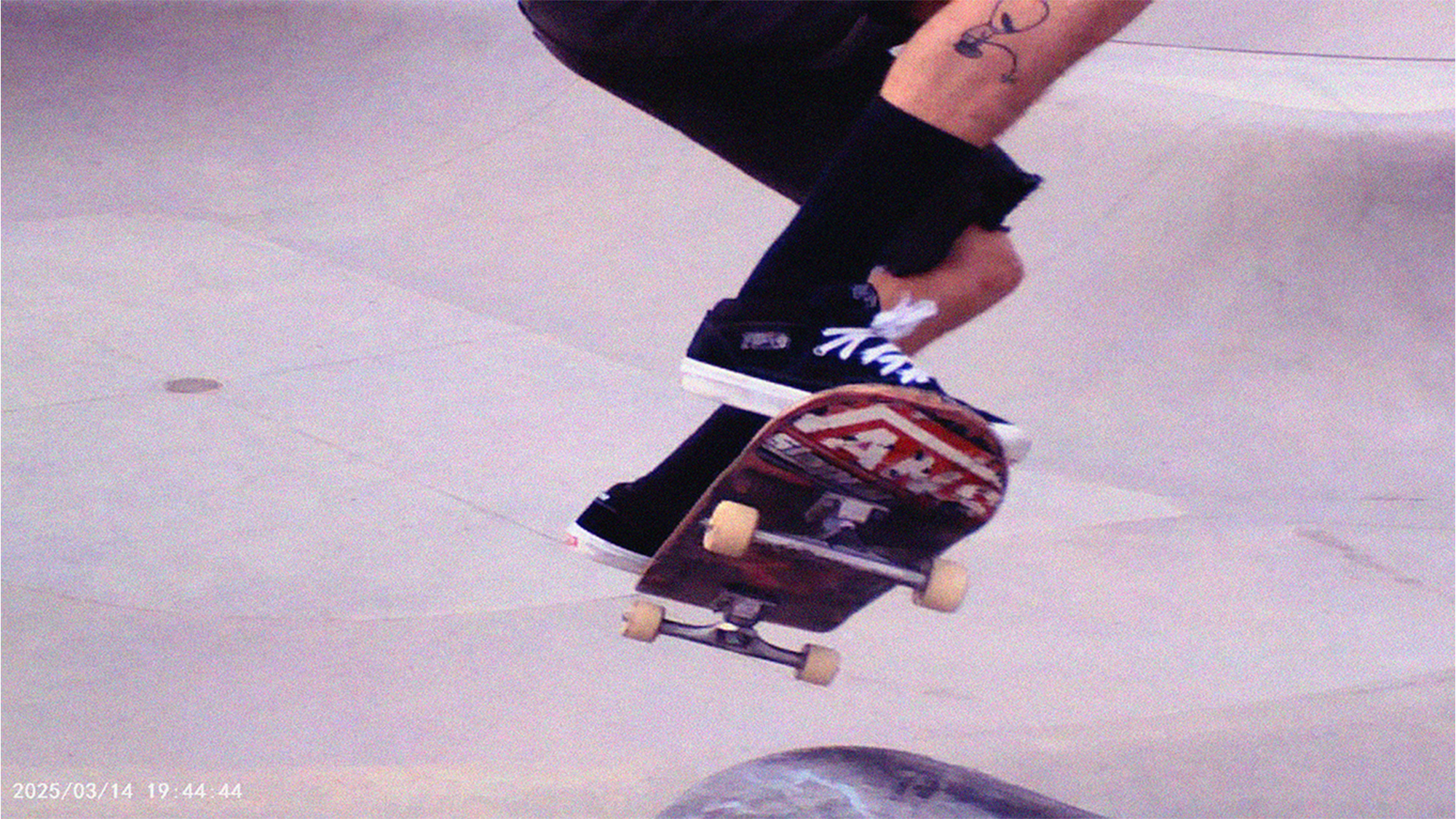
Venice Skate Park
My photography of the Venice Skate Park in LA.