Anthropophagy in the Arkheion: Cannibalizing the Colonial Canon
Carolina Stierli de Abreu
This body of work frames Brazilian history as an ongoing process of anthropophagy—an irreverent, total consumption of cultural difference shaped by colonial encounters among Indigenous, European, and African epistemologies. Drawing on Oswald de Andrade and Tarsila do Amaral, anthropophagy is repositioned as a methodology that resists imitation, instead transforming external influences into situated, hybrid forms. The work extends this logic to institutional archives, treating them as “official houses of memory” to be consumed and reworked. Through fragmentation, it proposes identity and memory as unstable, subjective constructs, challenging the archival impulse toward coherence while generating new, plural forms of historical knowledge.
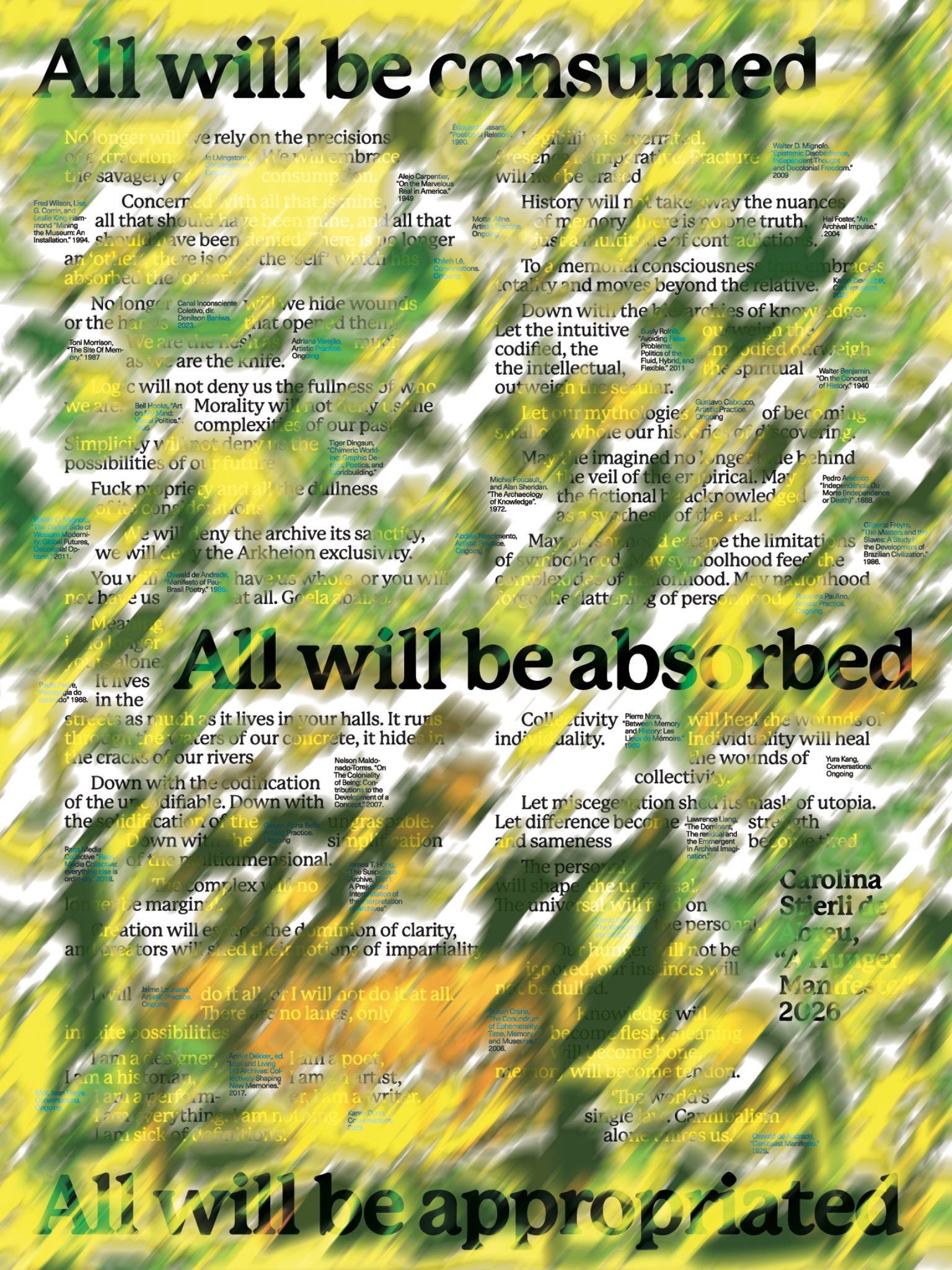
A Hunger Manifesto
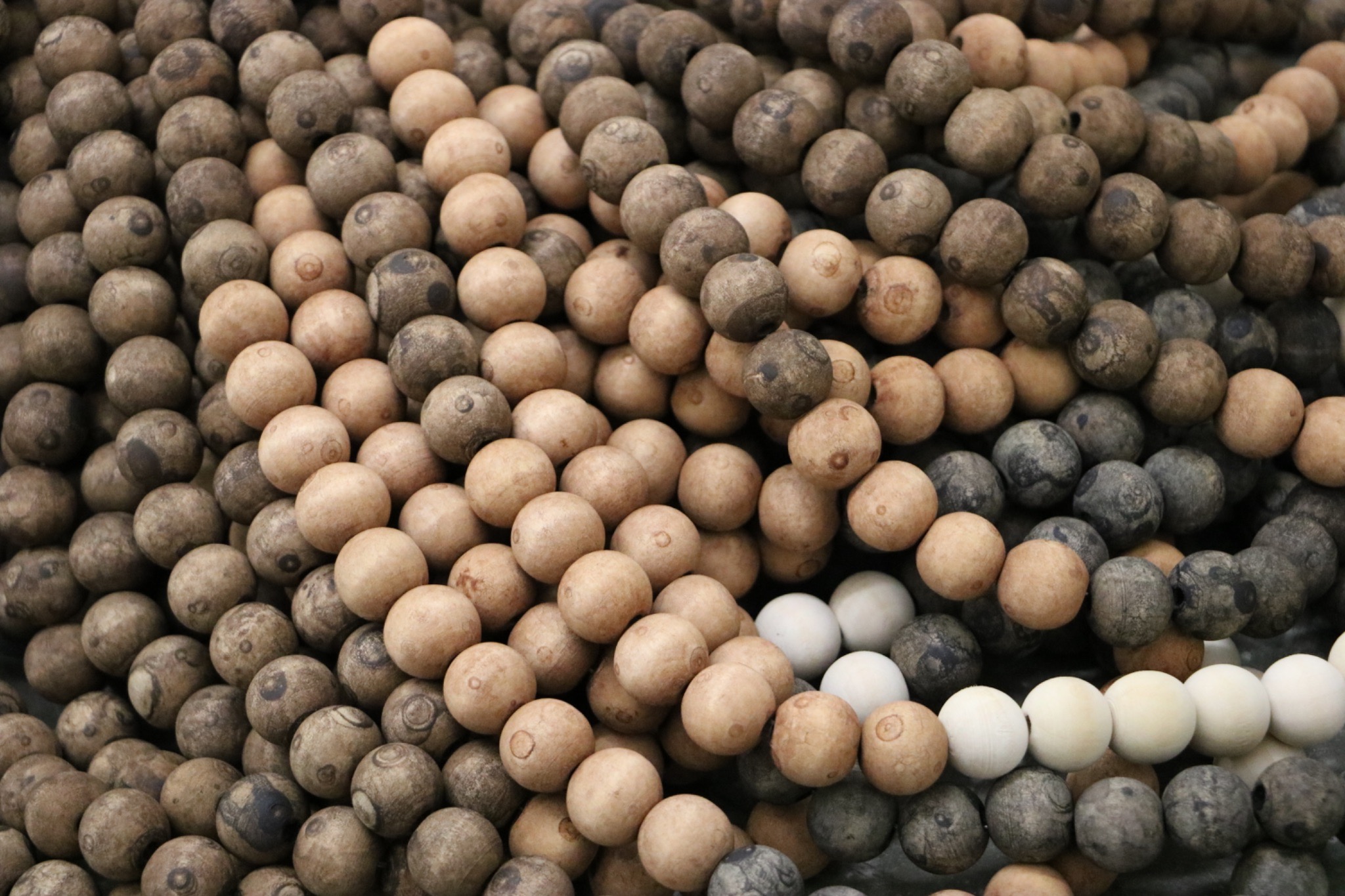
Material Anthropophagy
This project reframes national “genesis” as an ongoing, contested process rather than a singular origin through material inquiry.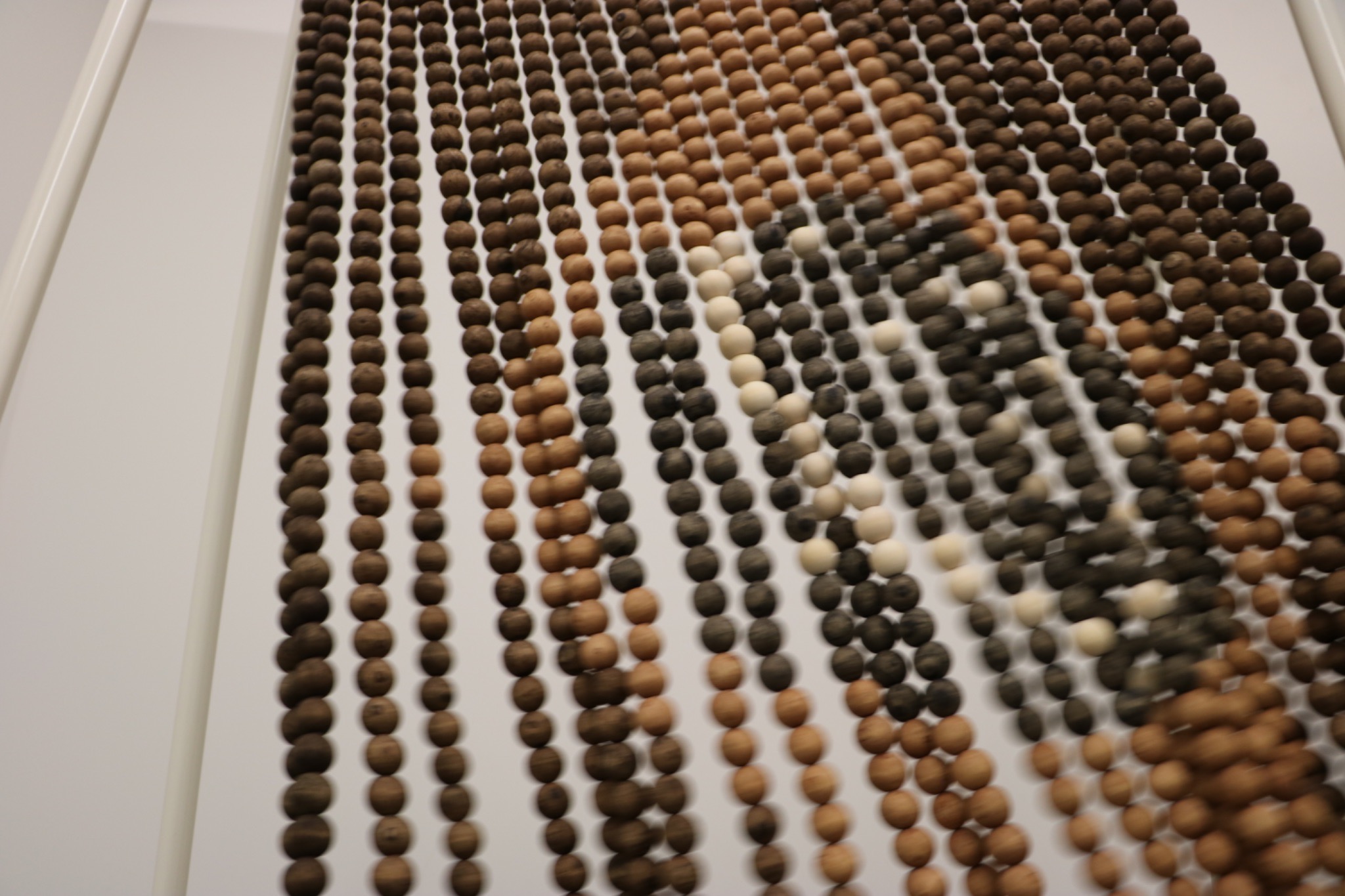
It brings together symbolic and material histories by examining how Brazil’s identity has been shaped through cycles of extraction, particularly through commodities like pau-brasil.
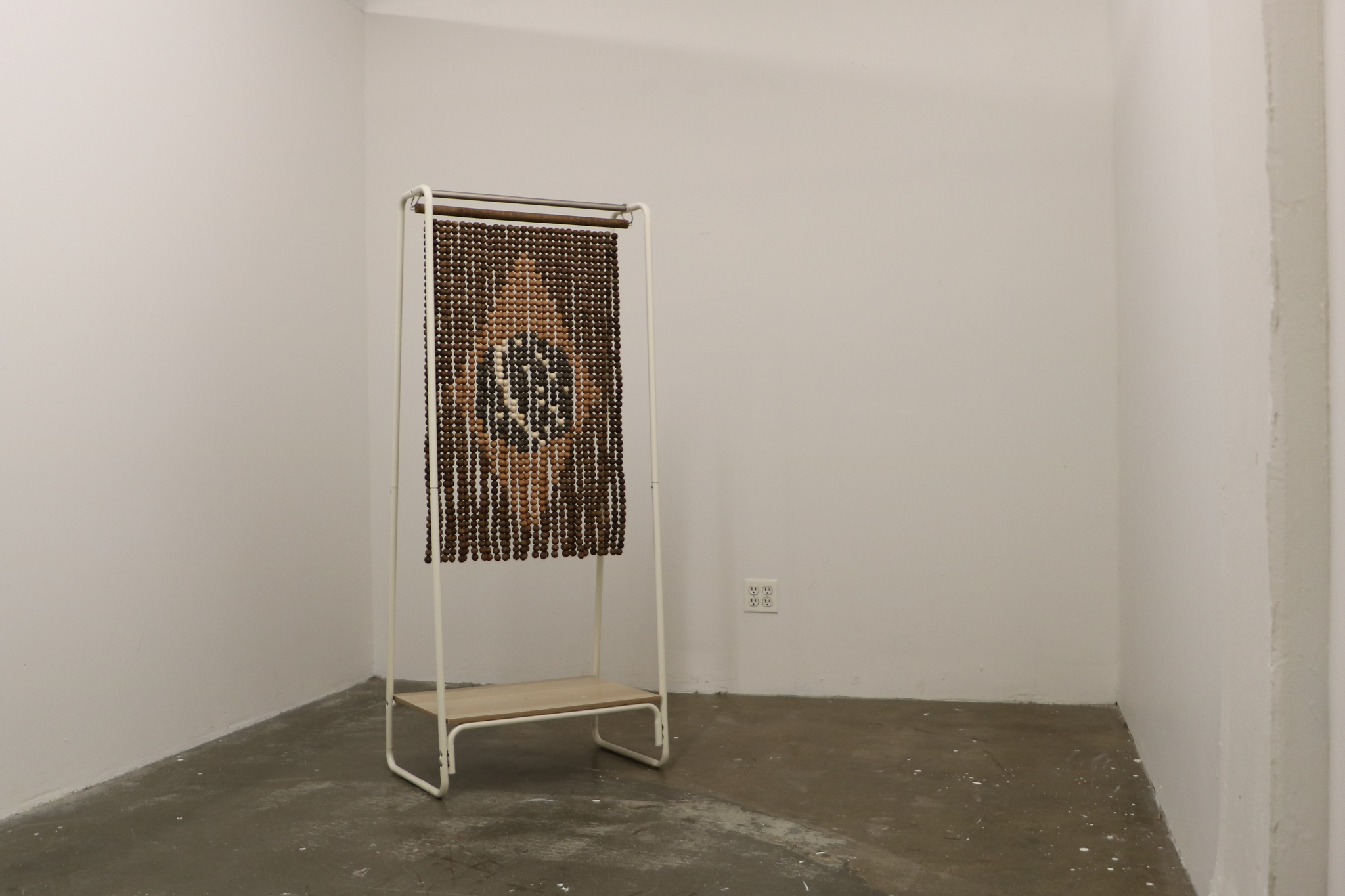
Reconstructing the national flag in wood, the project collapses the divide between representation and material history, forcing the symbol to carry the violence and labor embedded in its formation. Proposing nationhood as a recursive act of remaking, where symbols are continuously redefined through their entanglement with material and colonial histories.
Indexical Anthropophagy
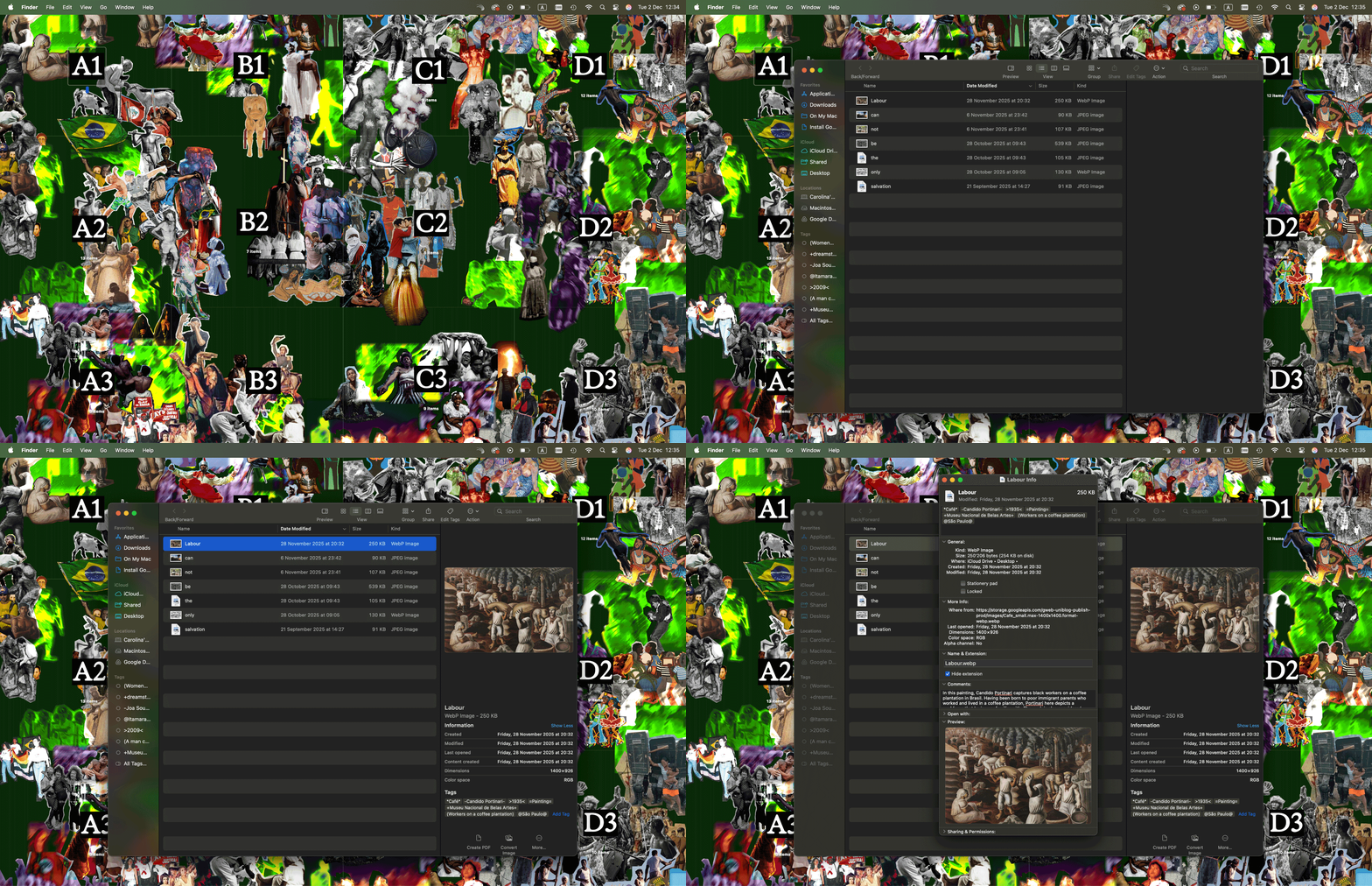
This project reconceptualizes the index as a form of gathering, where meaning emerges through the accumulation and proximity of individual images rather than fixed classification systems. By assembling images of collective gatherings across diverse sources, it collapses institutional boundaries and treats the index as a dynamic, relational “crowd.”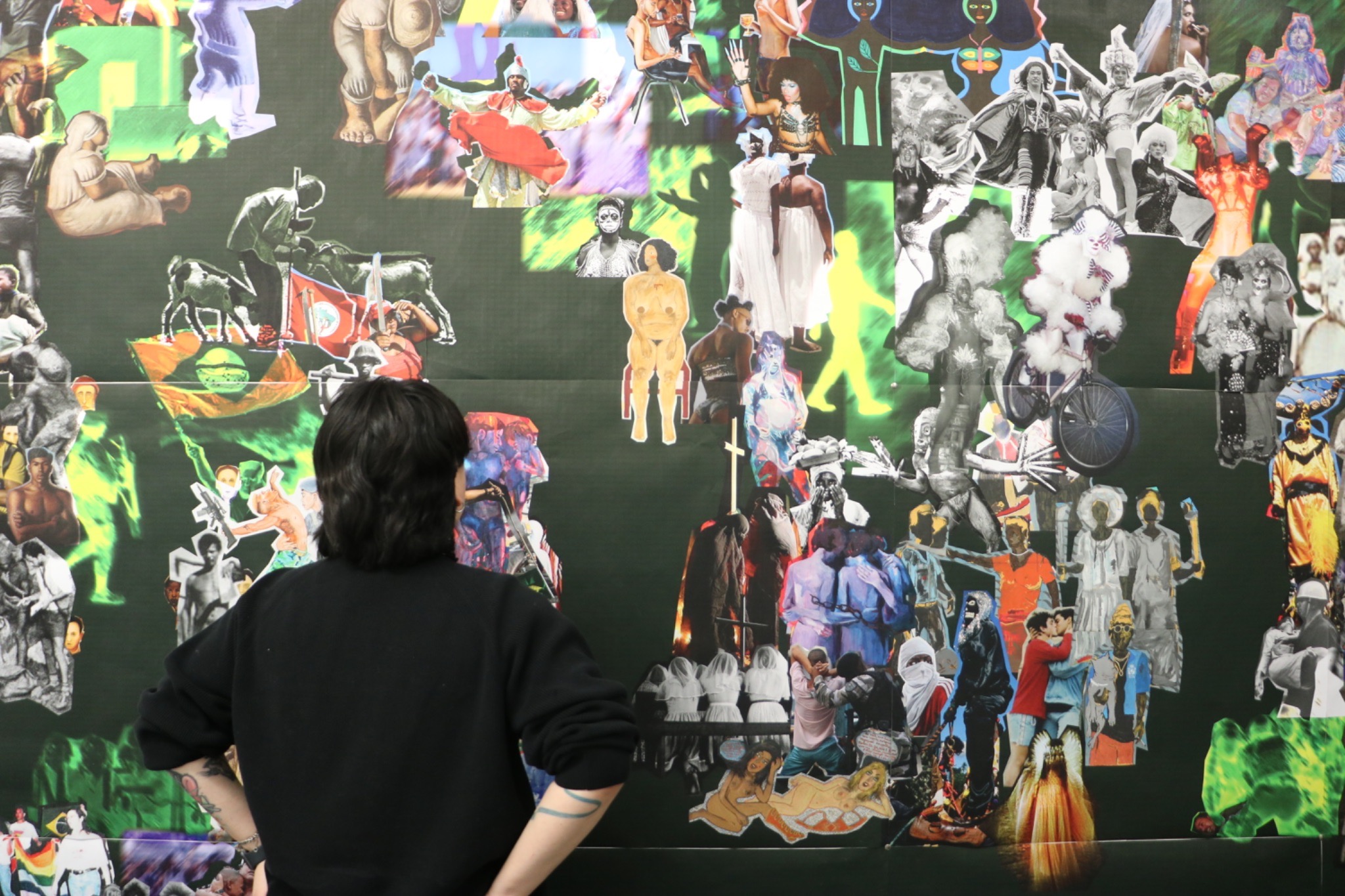
The project subverts traditional indexical structures by embedding metadata within image files and using poetic, non-hierarchical organization to produce ambiguity and contradiction instead of clarity.
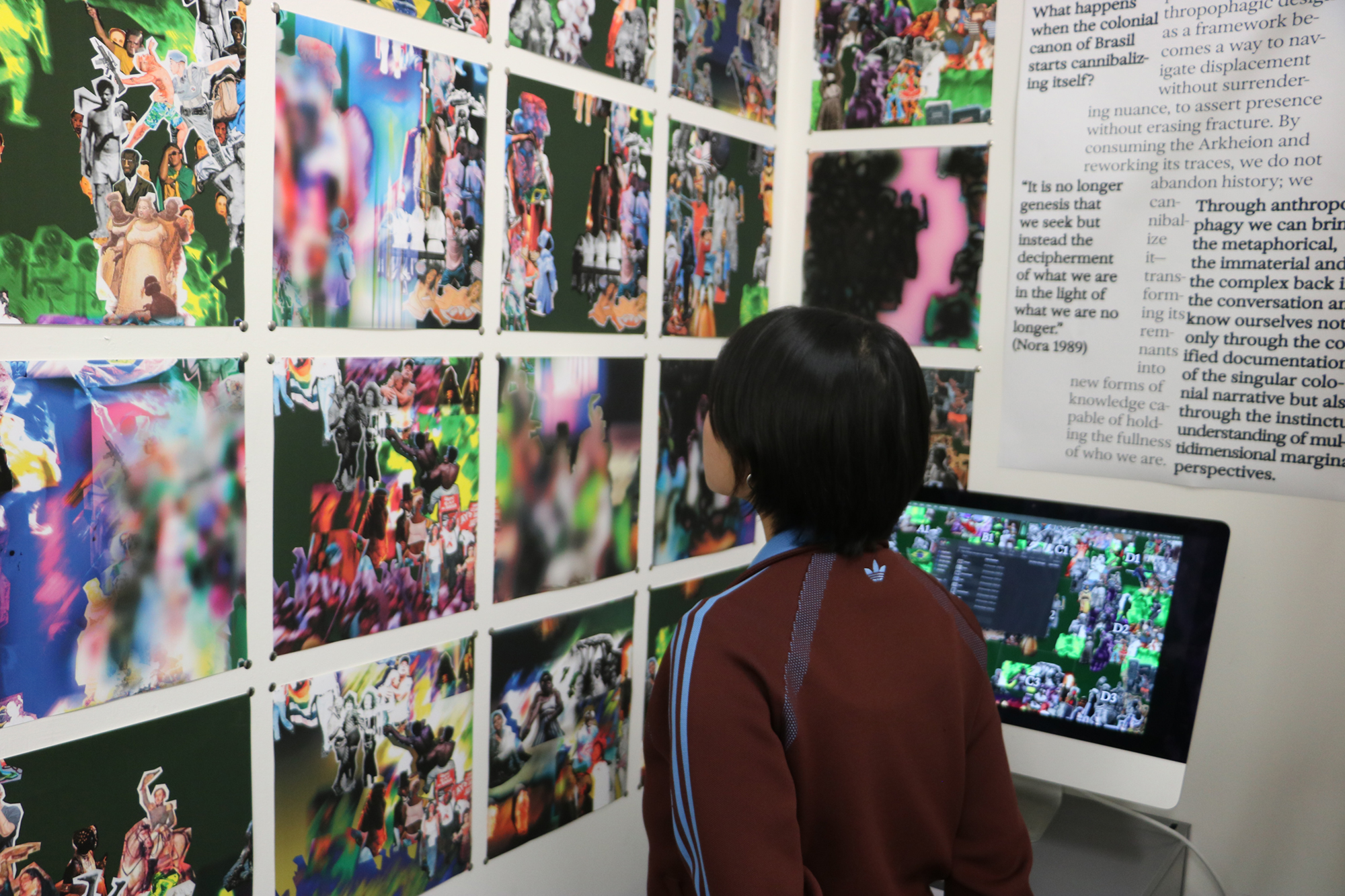
It positions the index as a decolonial tool that holds tensions—between individual and collective, joy and violence, visibility and erasure—without resolving them, allowing collective meaning to remain open and unstable.
Curatorial Anthropophagy
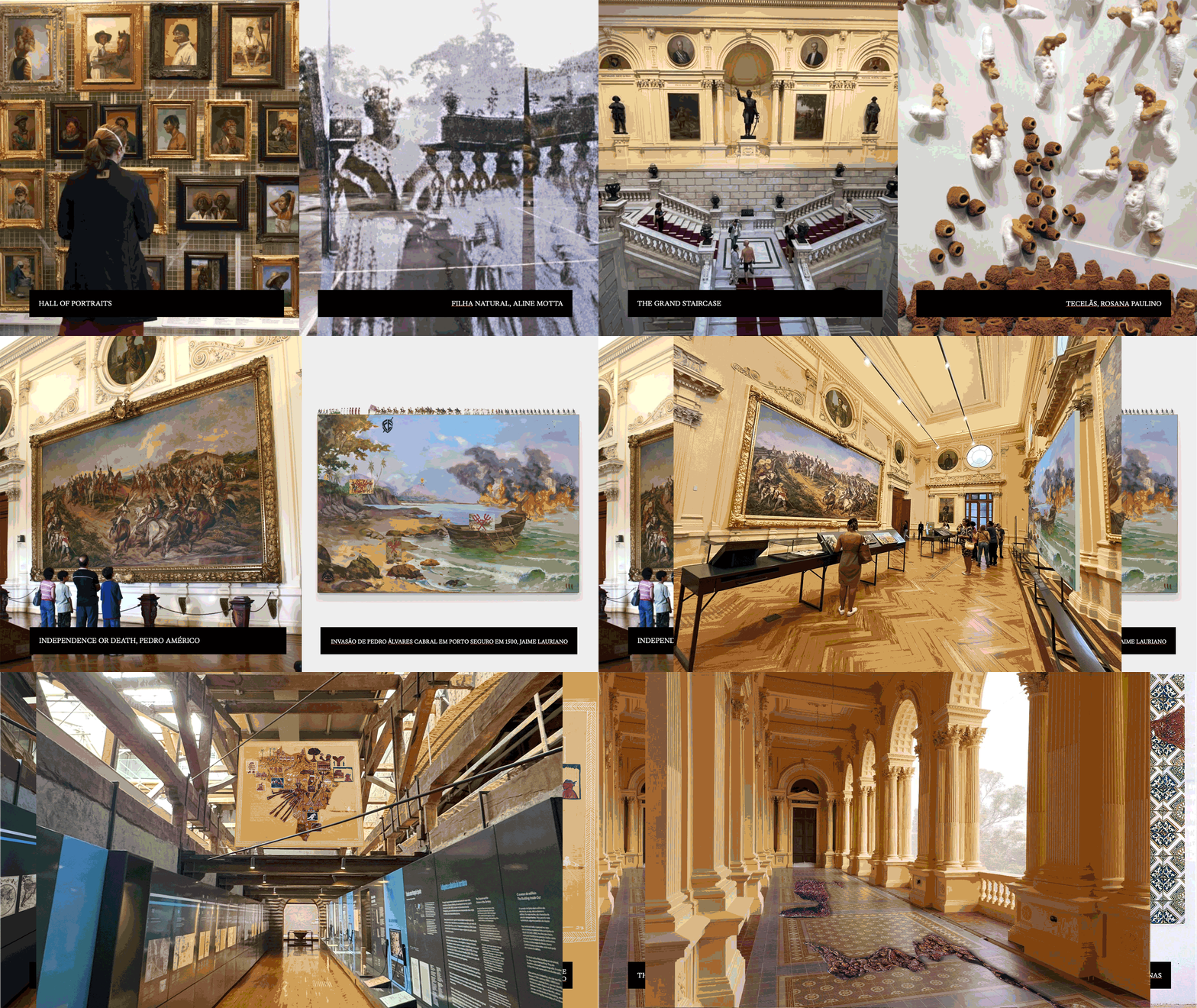
This project positions the historical museum as an active producer of colonial narratives and proposes an anthropophagic curatorial strategy to intervene from within its structures.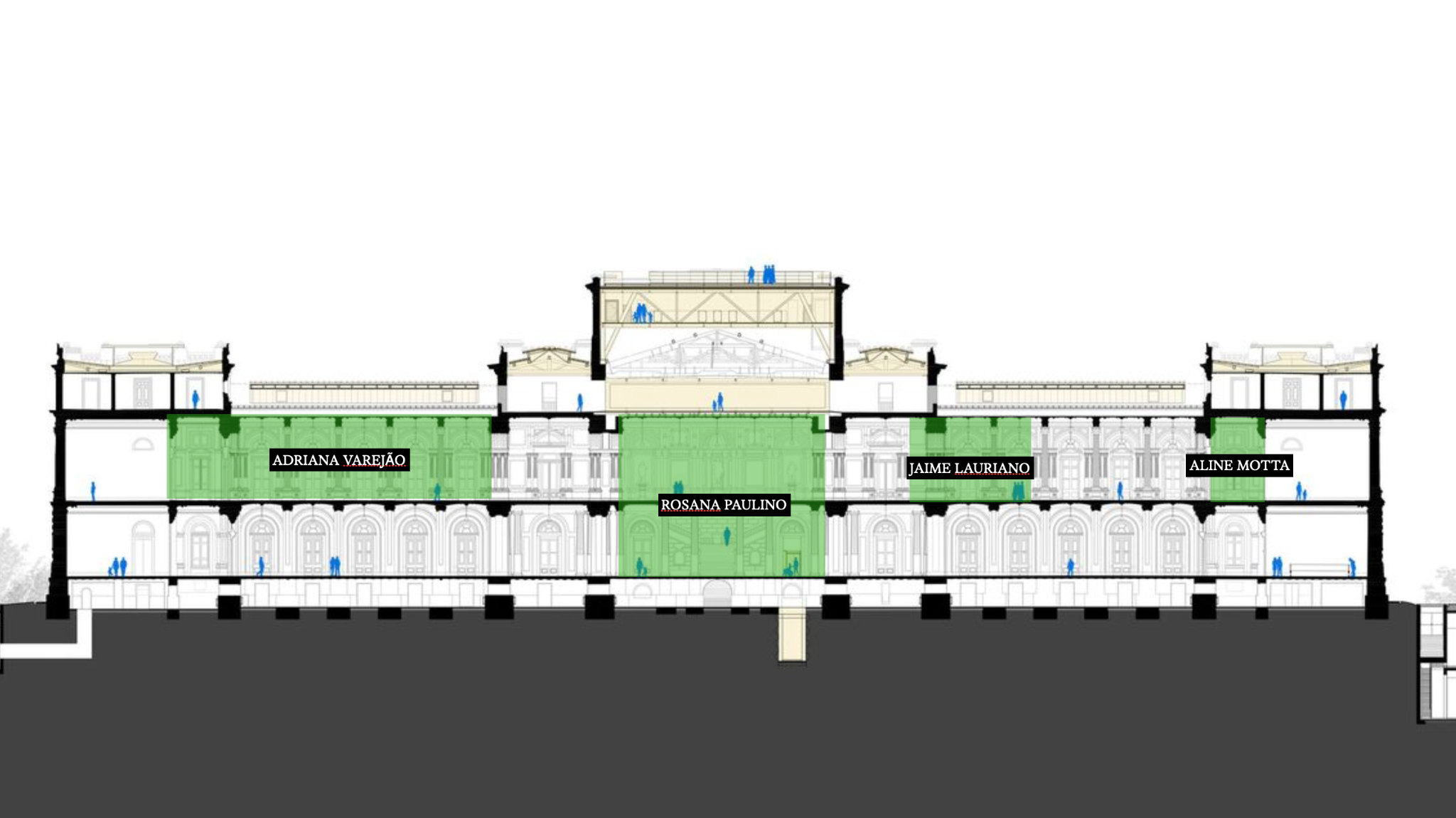
By staging an exhibition at the Museu do Ipiranga which brings contemporary Brazilian artists into conversation with its permanent collection, it disrupts the boundaries between historical and contemporary, bringing marginalized perspectives into direct dialogue with the canonical ‘truths’ of the permanent collection.
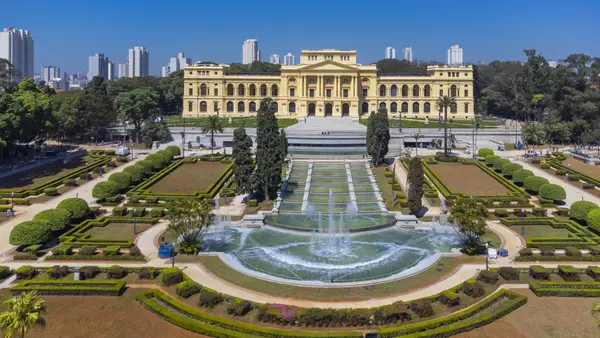
Through interventions in display, sequencing, and architecture, the exhibition exposes colonial violence as an ongoing condition rather than a closed past. Ultimately reframing the museum as a mutable site of epistemic struggle, where dominant histories can be destabilized and reconstituted into more plural and contested forms.