Places As Shores
Manojna Vuppalapati
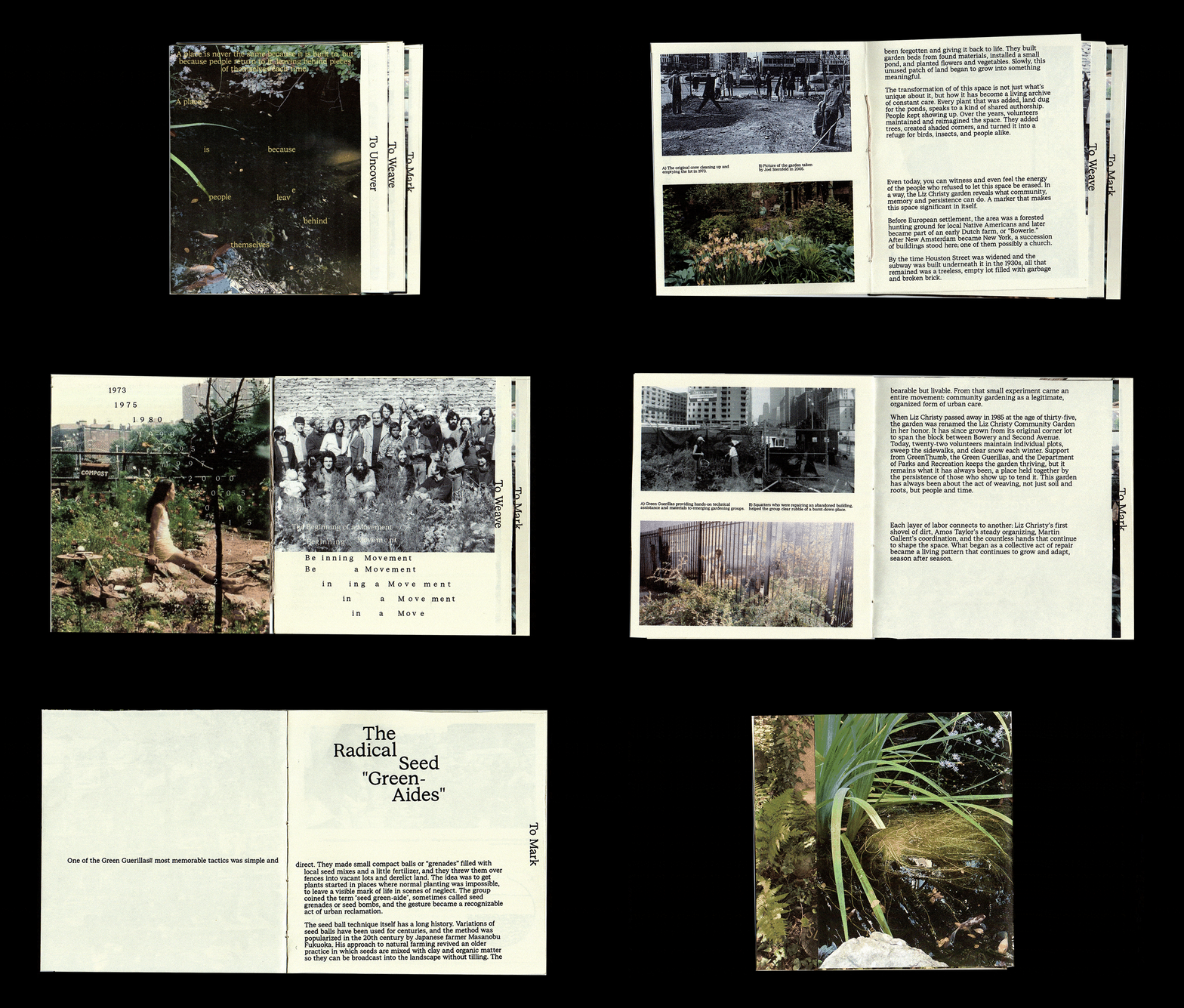
Places are rarely fixed. A park changes as desire paths are worn into the grass. A house shifts as objects are used, moved, or remembered differently over time. This thesis proposes the shoreline as a lens for reading places, not as a boundary but as a constantly shifting threshold where debris accumulates and is drawn back. Grounded in three sites in the Lower East Side, the Liz Christy Community Garden, the Tenement Museum, and Freeman Alley, the work is expressed through multiple print projects that ask what it looks like to read a space not for what it is, but for what it has held.
Shore Booklet
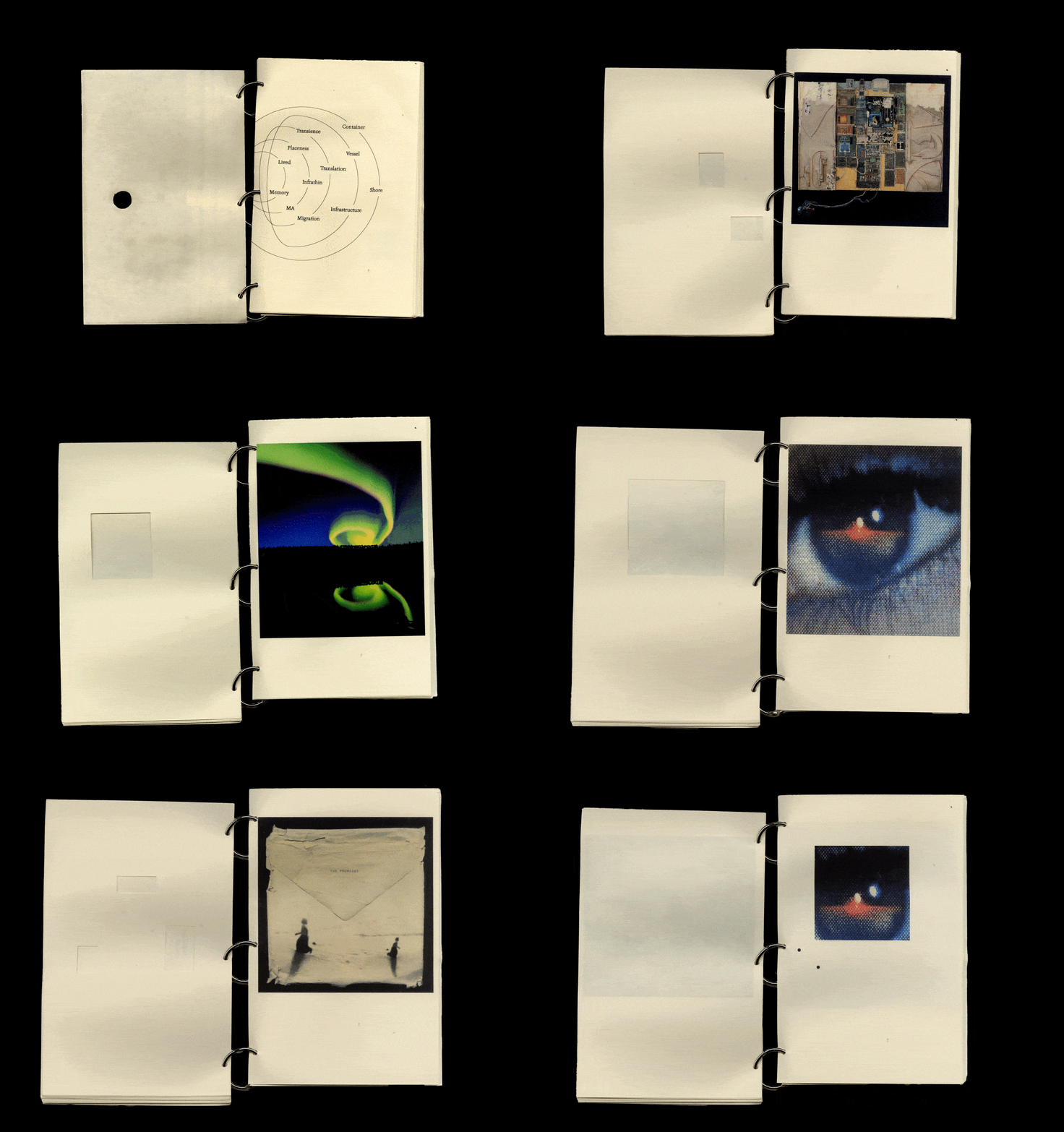
A research booklet of twenty words and twenty images that moves through collected fragments like a tide. Each page brings forward a small piece of a place, an object, a moment, a trace, asking the reader to slow down and notice what accumulates at the edges of everyday life.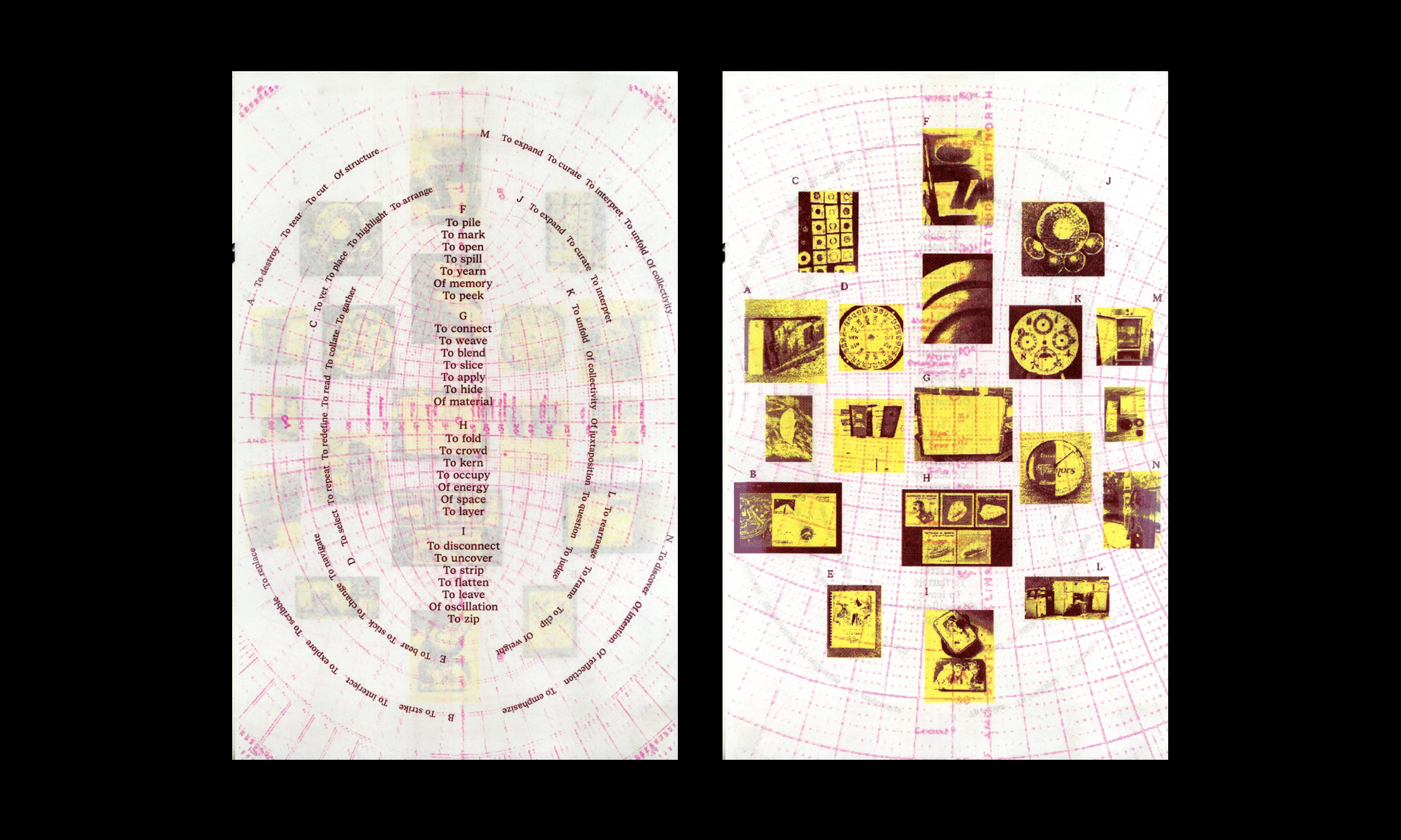
Indexed Poster
A double-sided risograph poster structured around a list of forty-two verbs, each one is a different way of paying attention to a place. The verbs orbit and overlap with fragmented found imagery of surfaces, textures, and small details, forming a quiet index where looking becomes a way of interpretation.