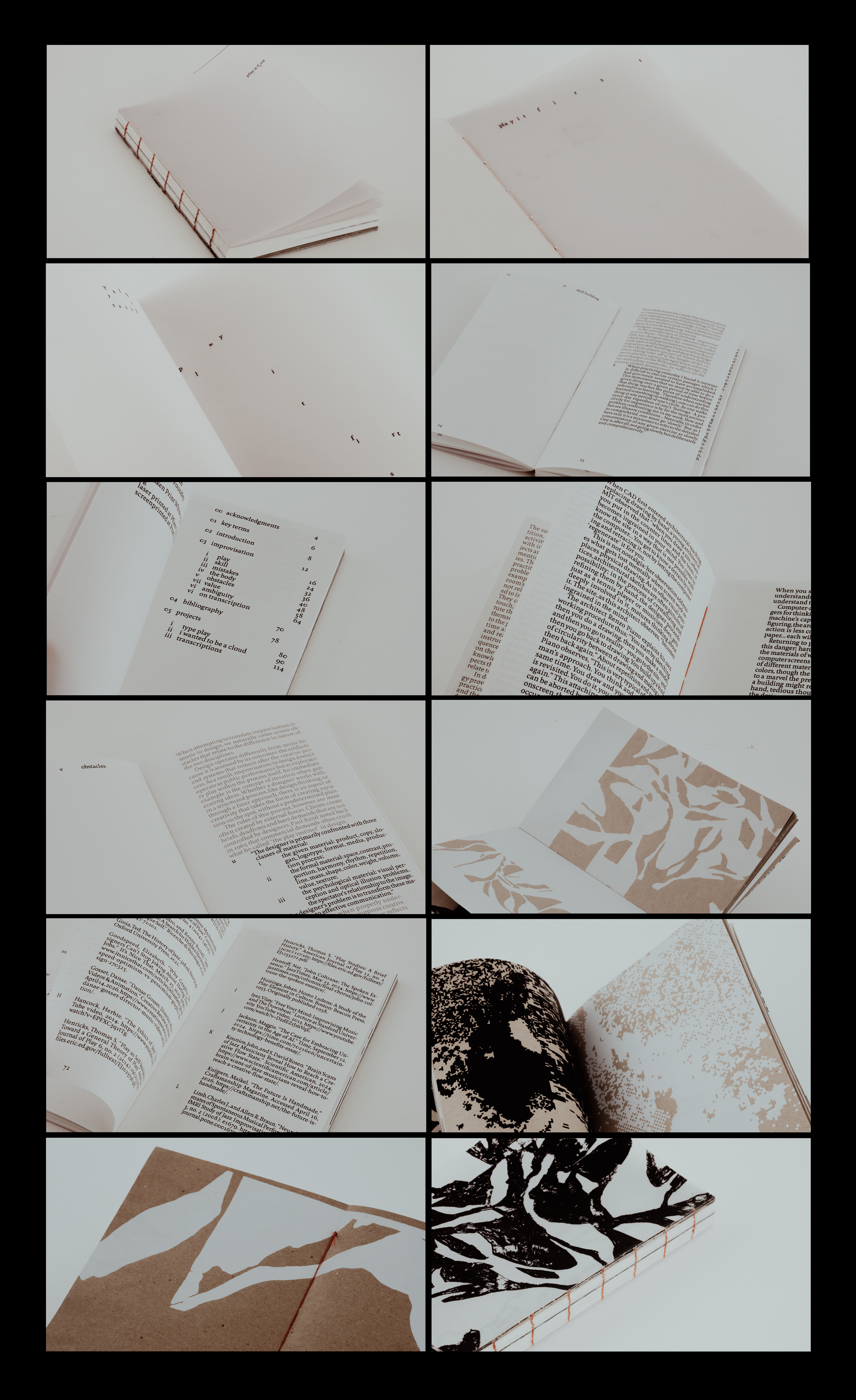
play it first
Marily Papanastasatou
Improvisation depends on a paradox: spontaneity requires preparation. Witnessing moments of pure presence and joy in musical practice sparked a longing to find the same in design. This led to investigating jazz as a case study to reveal what conditions enable or threaten improvisation in contemporary design work.
Examining jazz musicians' practices reveals improvisation's intersection with play, mindfulness, and skill-building. What looks like spontaneous freedom emerges from rigorous preparation, knowledge so deeply absorbed it becomes available in the moment.Modern design culture increasingly removes the conditions that make improvisation possible. Automation, efficiency demands, and digital workflows bypass the physical engagement with materials, the tolerance for productive failure, the time for exploratory play, and the slow accumulation of embodied knowledge that improvisation requires.
Recovering these conditions lies in our own initiative. Through self-directed analog processes, copying exercises, and voluntary engagement with materials, designers can cultivate the curiosity and distinctive voice that emerge from slow practice. Tactile techniques bring back the ways that working can hold you within a place visually and physically, relating to the senses and engaging with the body.
This approach offers value beyond technique: comfort with ambiguity, tolerance for the unknown, and the capacity to respond as things unfold. In a world increasingly oriented toward the predictable and optimisable, improvisation insists on something else: the value of not knowing exactly what will happen, of staying present in time and place, and of building work that carries something distinctively personal and alive.
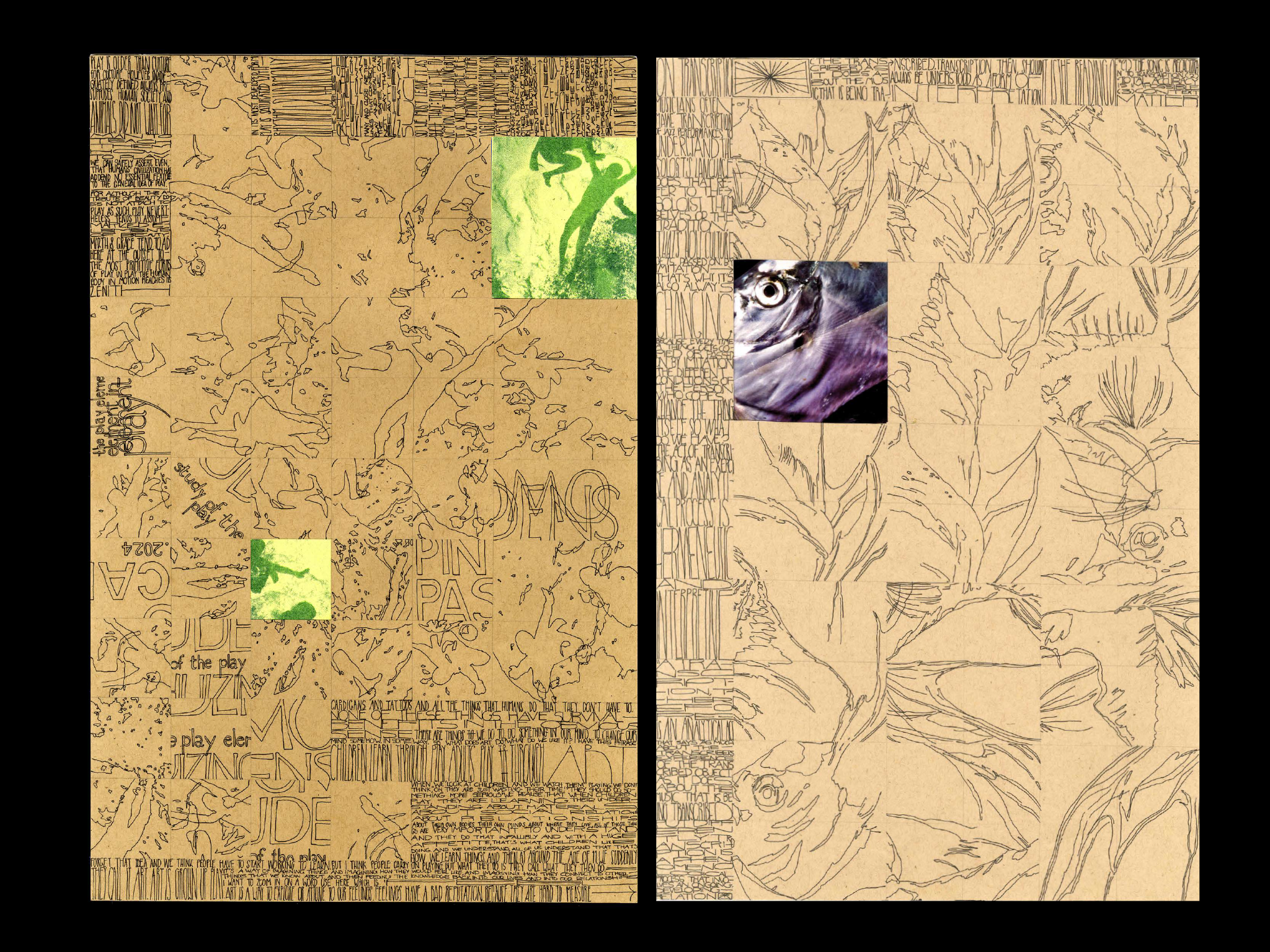
Transcriptions
exploring creative copying as a method for building vocabulary
transcription 2
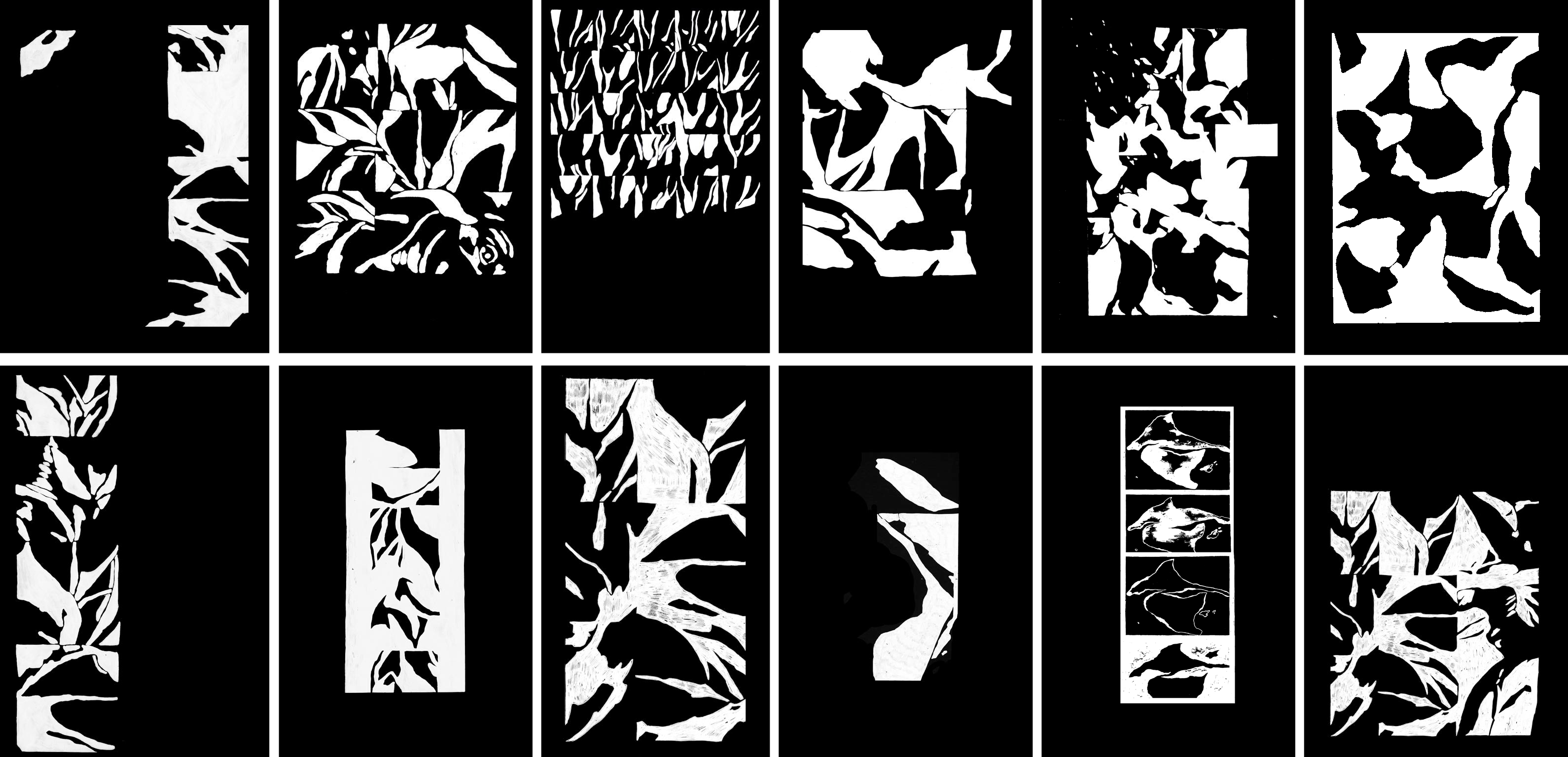
transcription studies
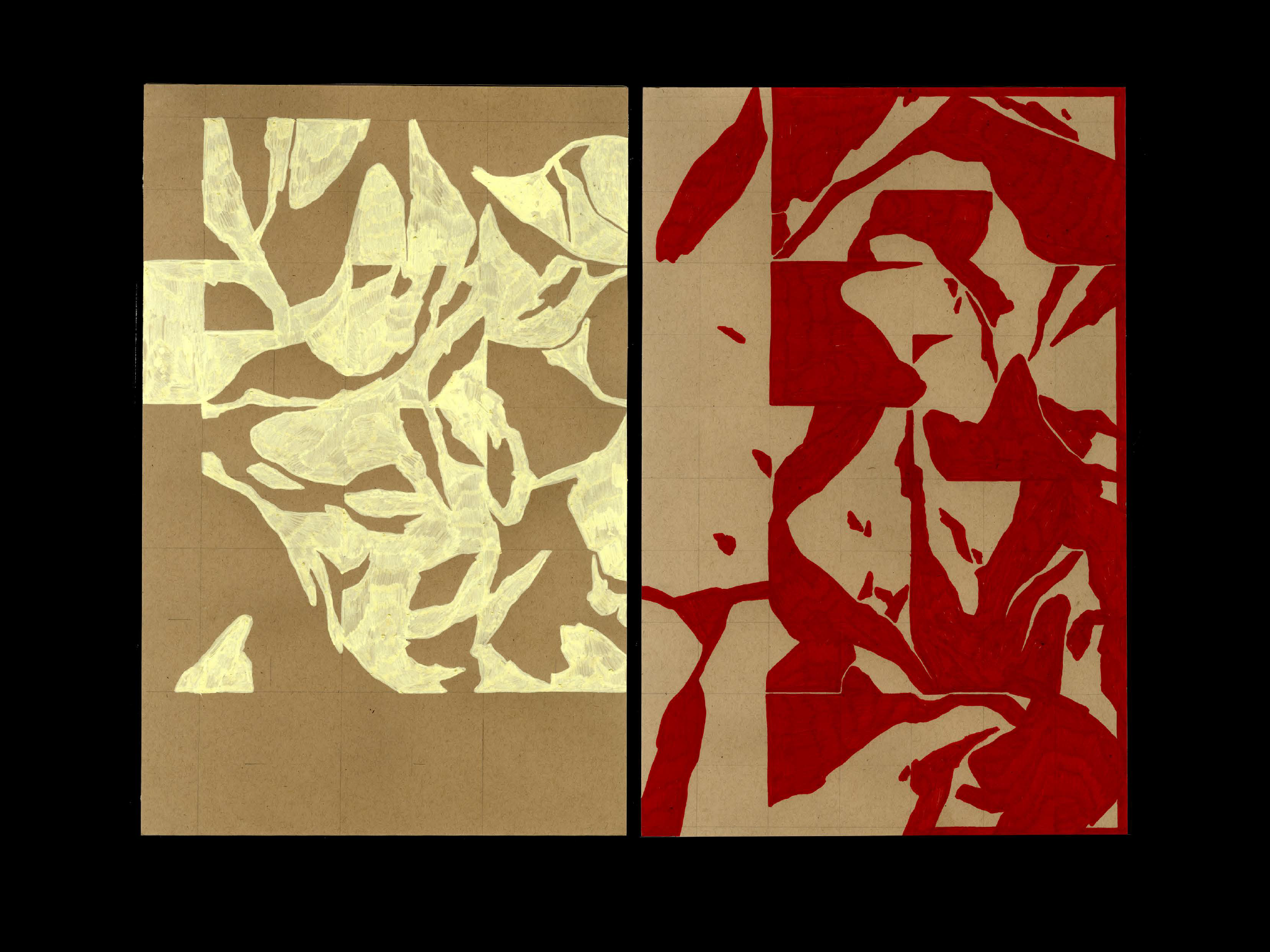
transcription studies
play it first
thesis book