are you a jugaadu too?
Shriya Bhagwat
This study is to understand the underlying possibilities of a local, subaltern practice called 'jugaad' that surfaced during the interaction between community and the built surroundings in an organic way.
This practice holds potential to grow into a critical design practice- which may not explicitly follow the notions of a ‘design practice’. But it facilitates and awards agency to the people who inhabit innumerably complex and diverse spaces in the world. Making do enables us to be free from the constraints of existing structures and indulge in a rather fun process of trial and error. Knowing that this action might be imperfect gives us space to modify and act. It is about bringing the emotional response back into making and moving through the physical world- where we interact and lower our expectations of a perfectly functioning world.
PARALLEL NARRATIVES
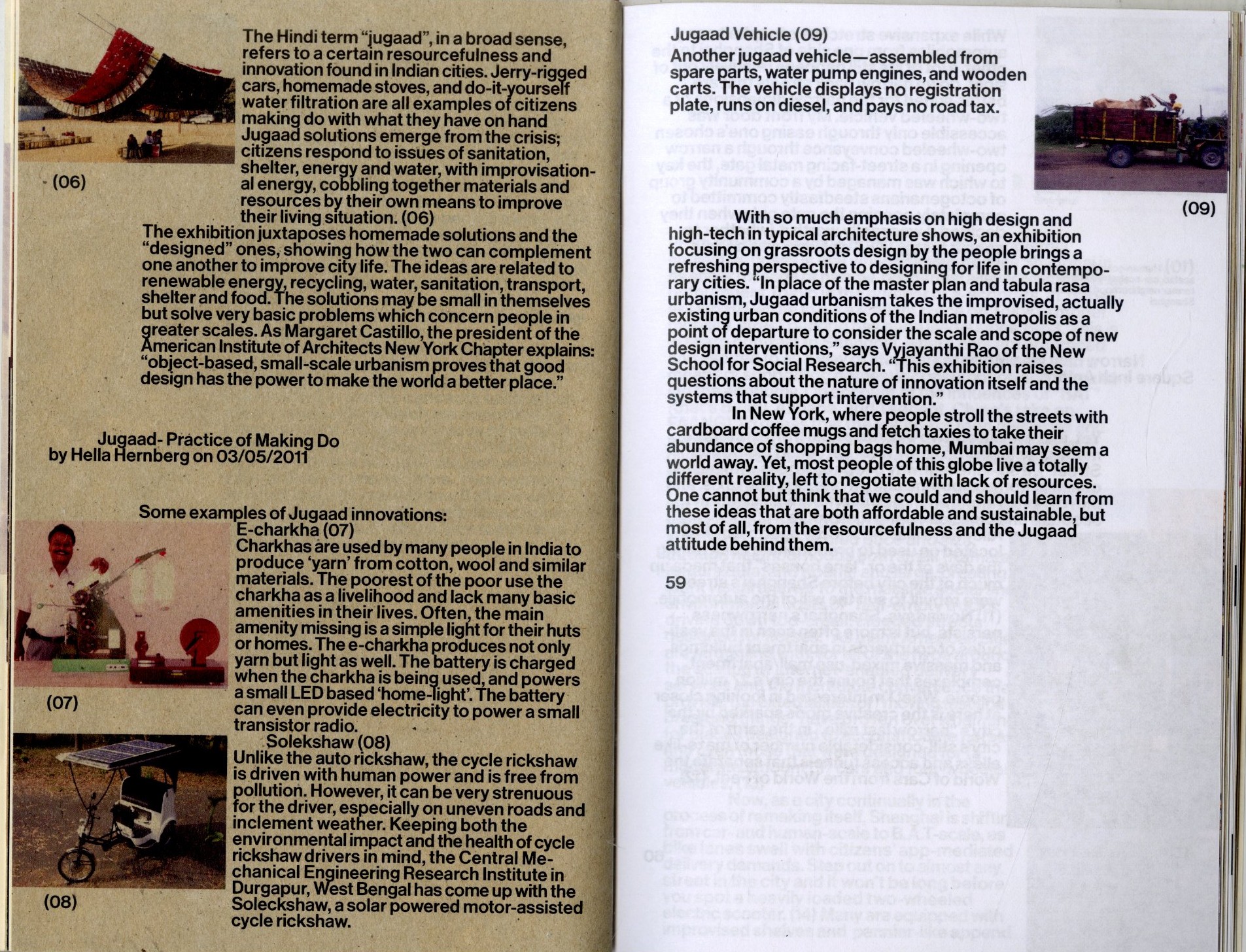
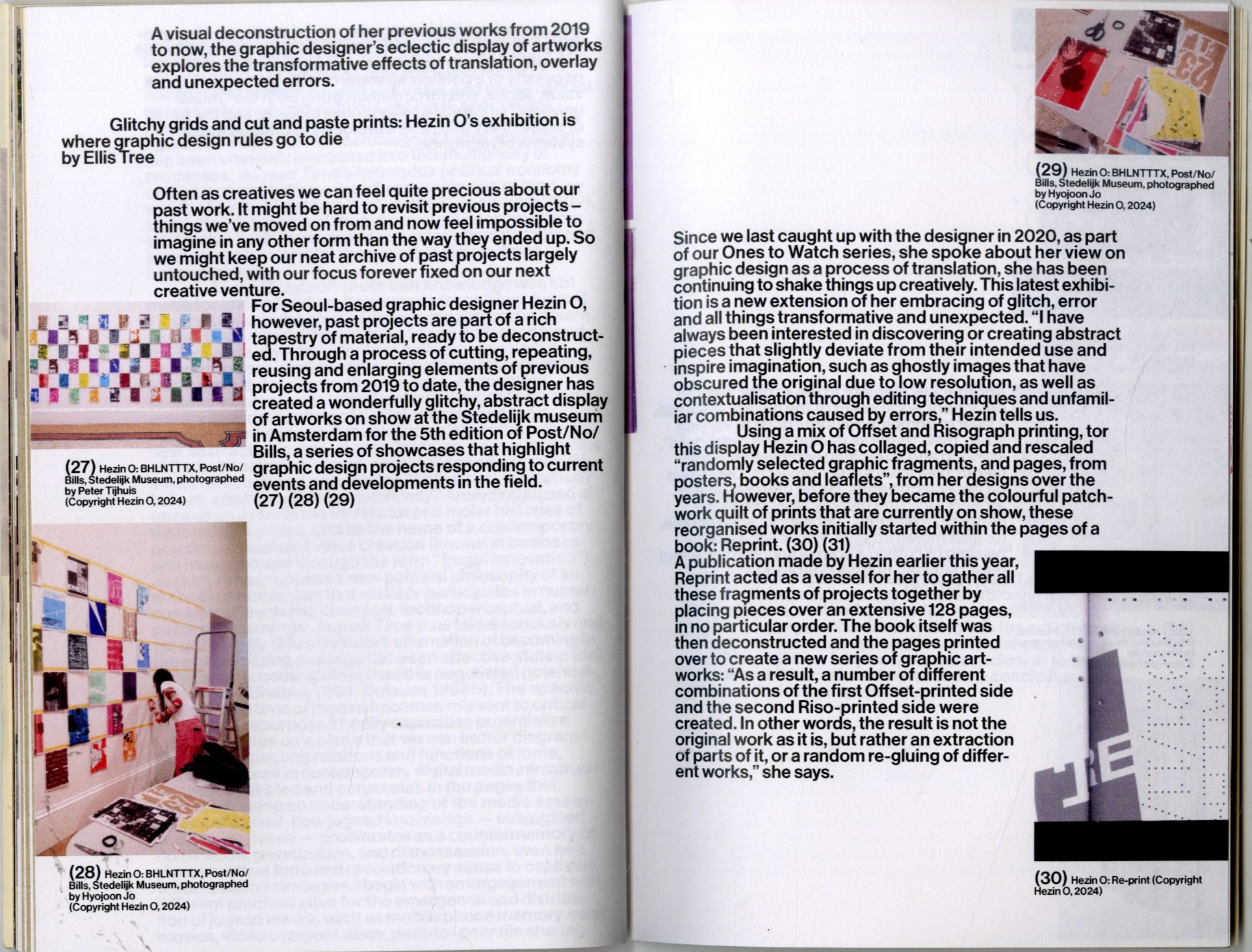
Looking at jugaad moments in New York City and parallel instances from India to build an understanding of context and perspective of a jugaadu person (me) while looking at their surroundings.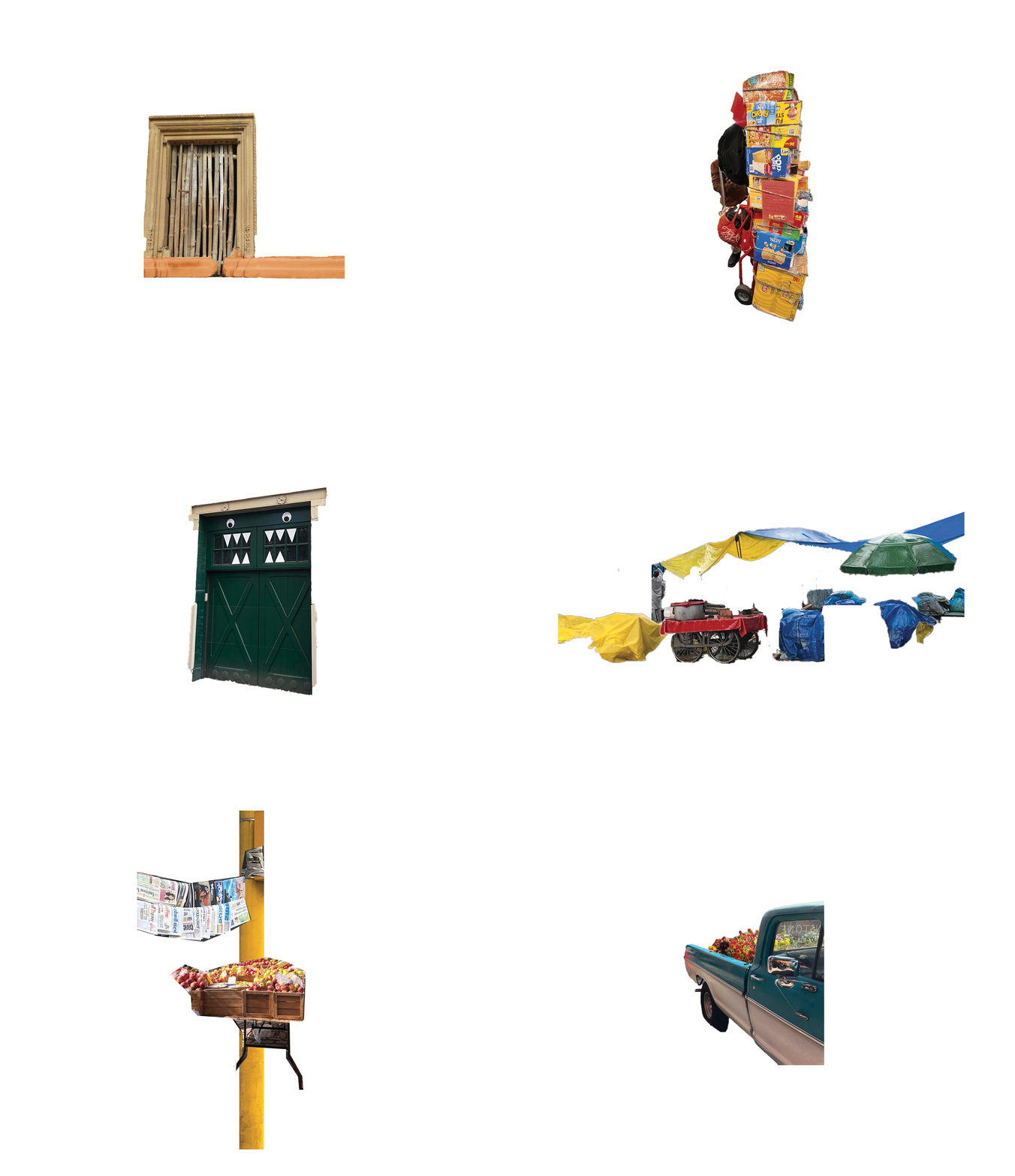
jugaad catalog
A catalog of jugaad instances as isolated and documented in my surroundings. The separation from context gives a clear explanation about the minute nuances of knowledge and materiality.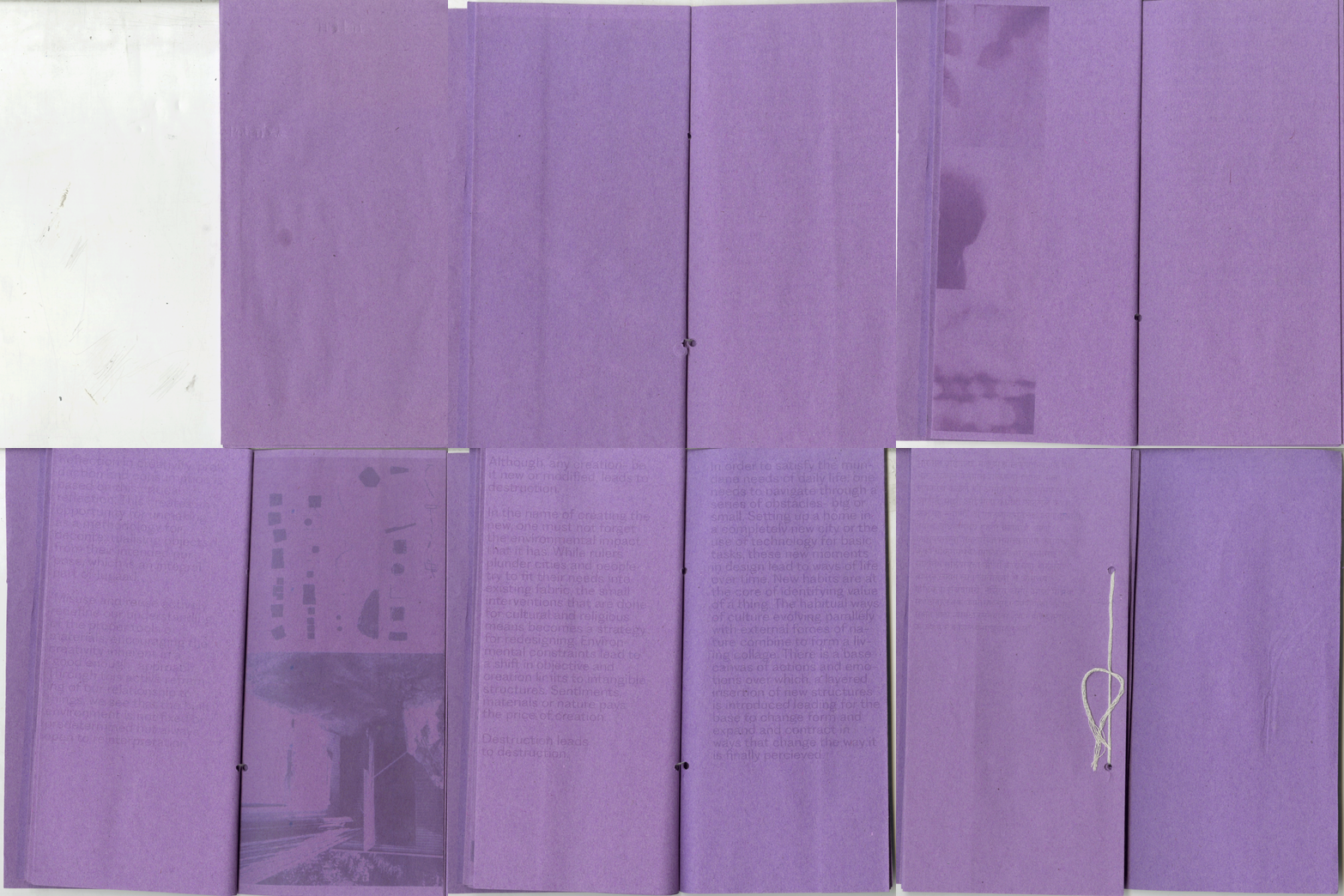
HIDDEN POTENTIAL
The print project explores 'hidden potential' as a metaphor for the possibilities that jugaad offers to material and the embedded quality of objects.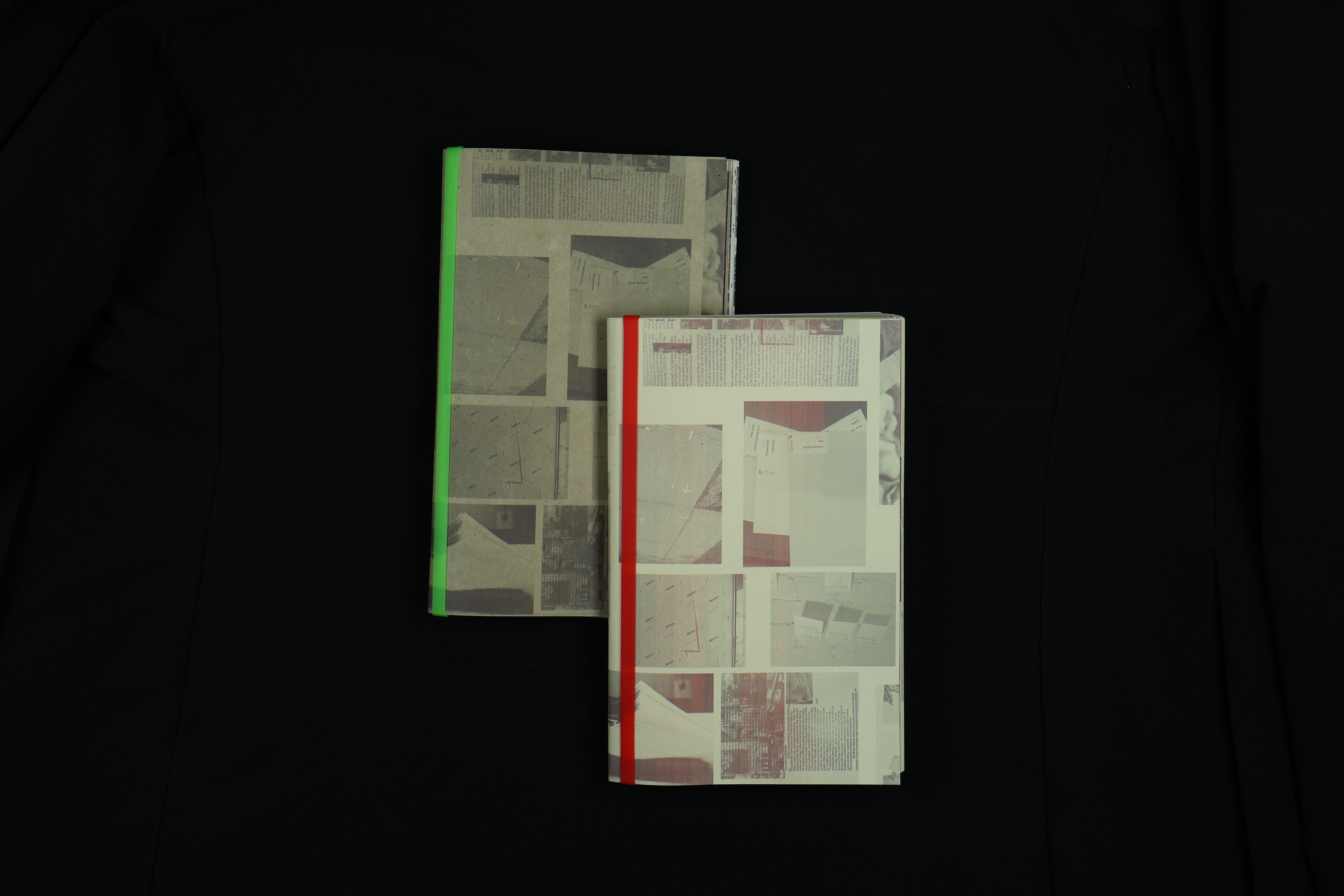
are you a jugaadu too?
The thesis book pushes and illustrates that this moment, we should allow ourselves to find makeshift solutions that extend beyond the vocabulary of ‘making’. Unintentionally, we do jugaad all the time. This moment is about realization.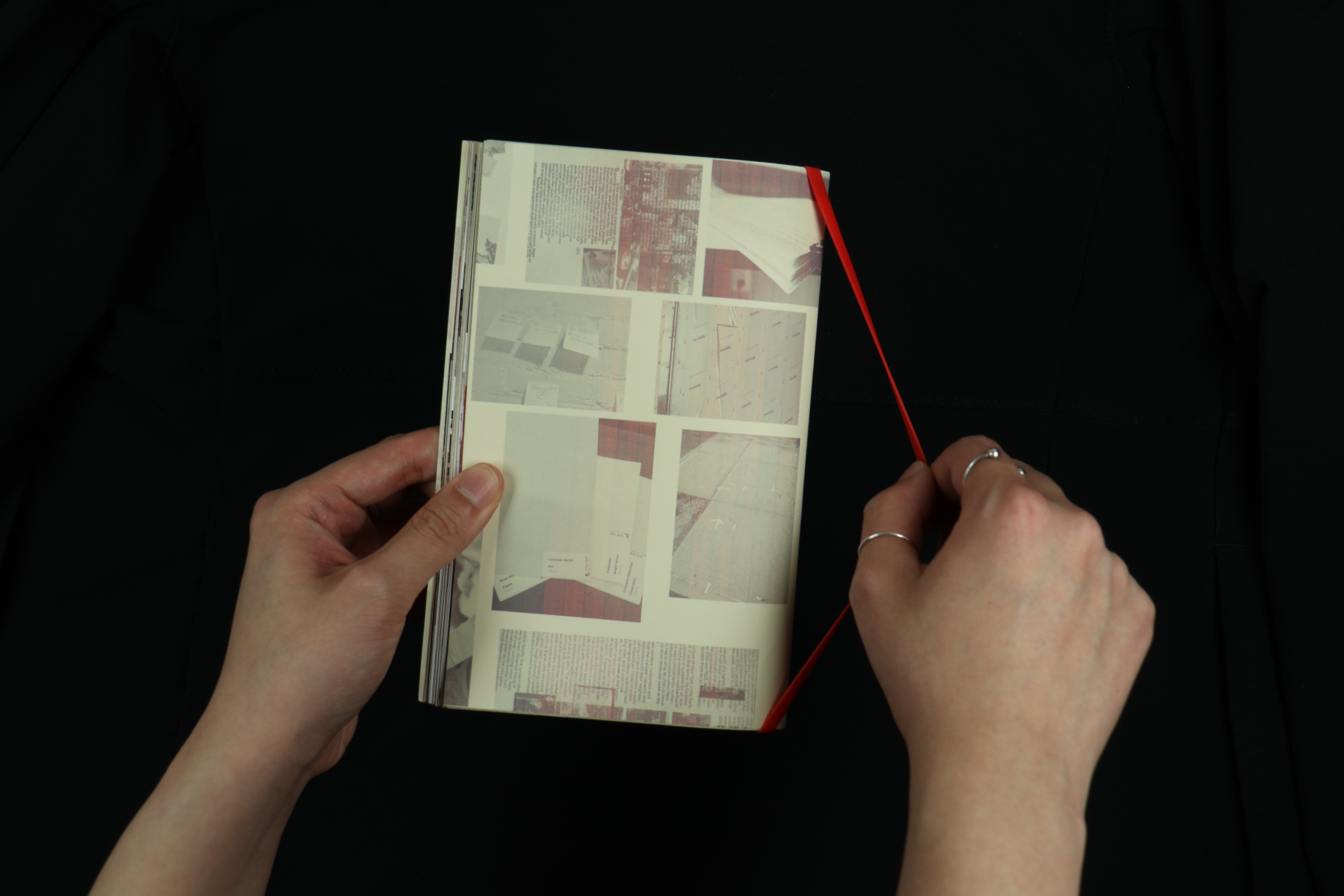
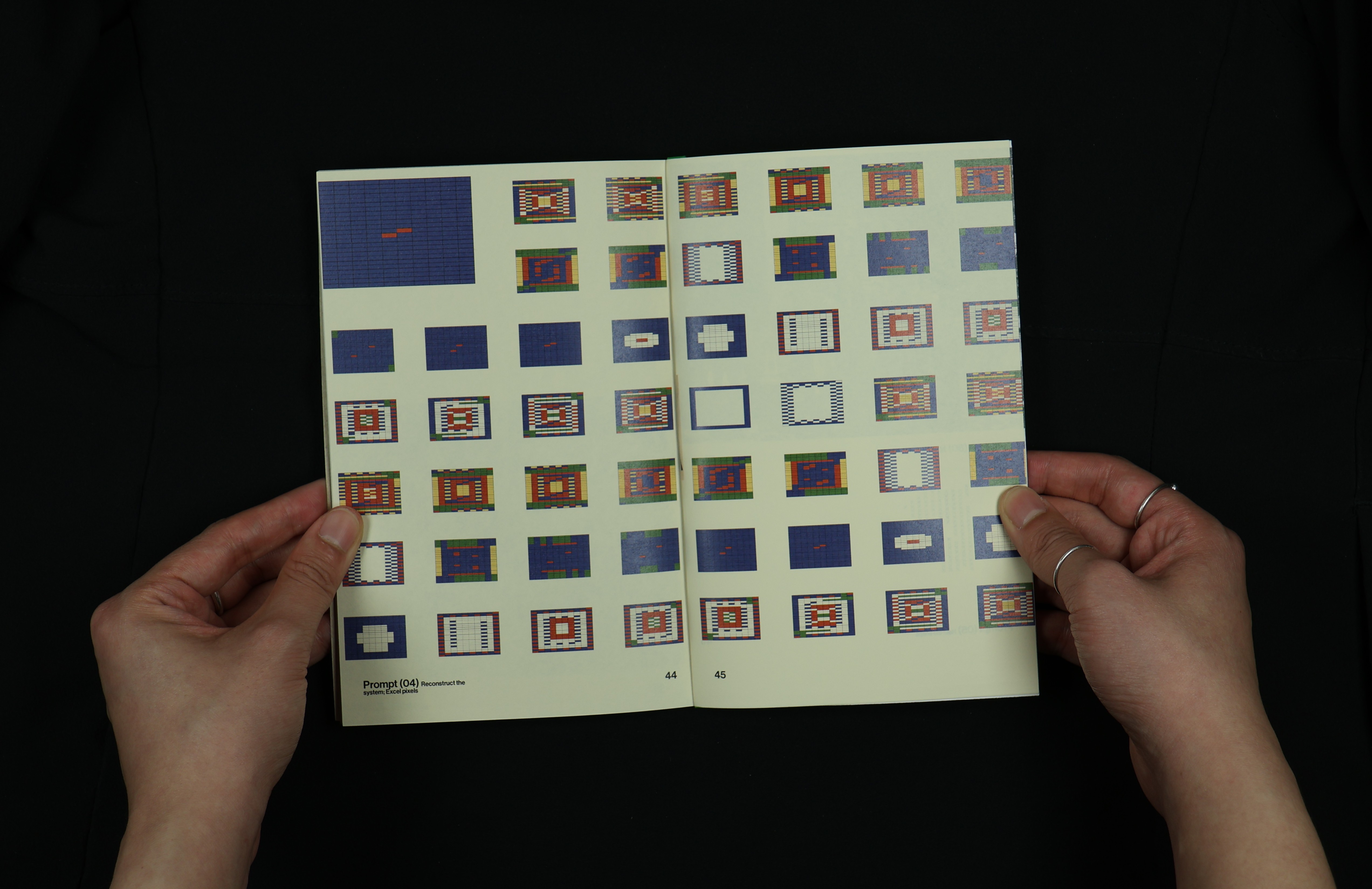
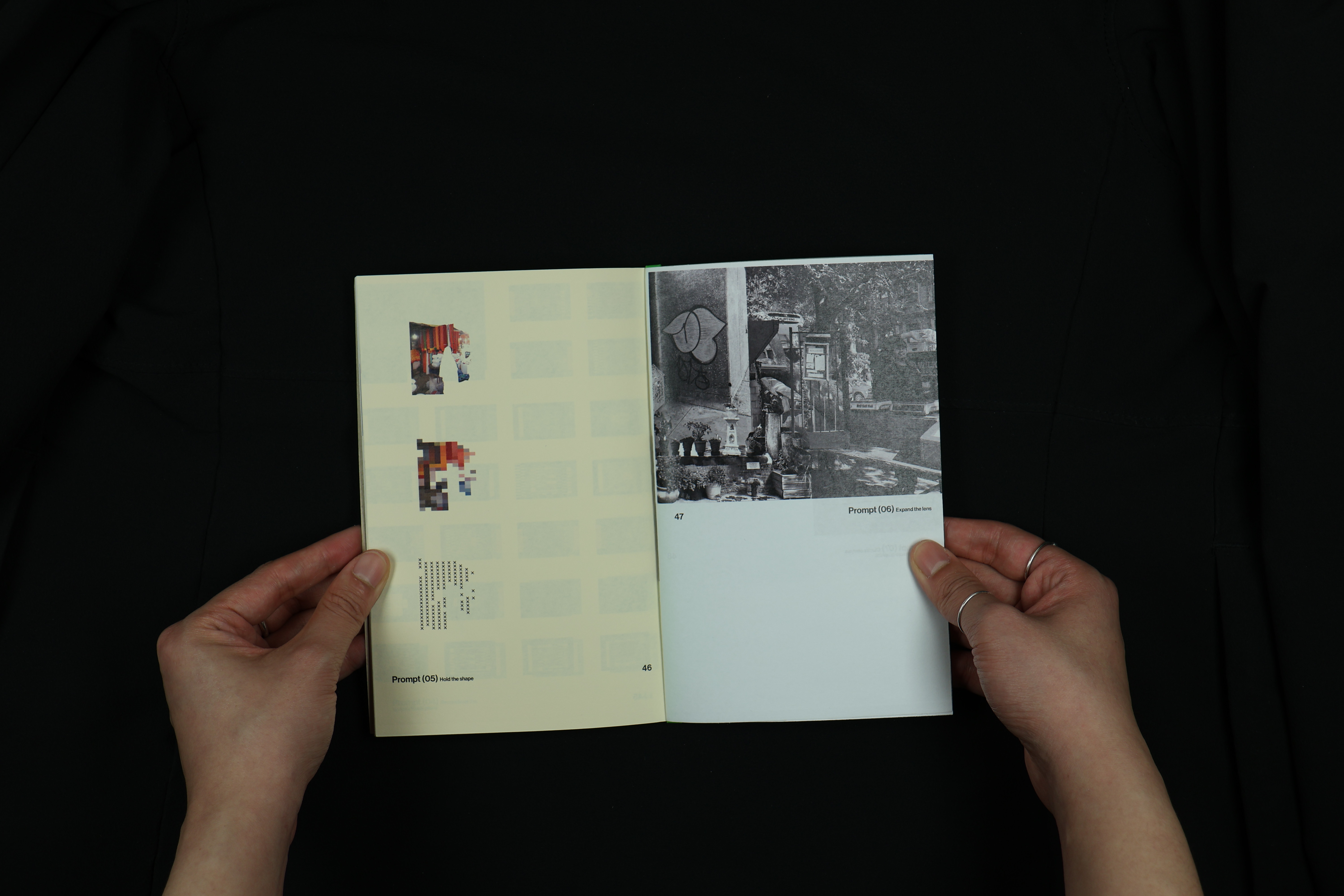
PROMPTS
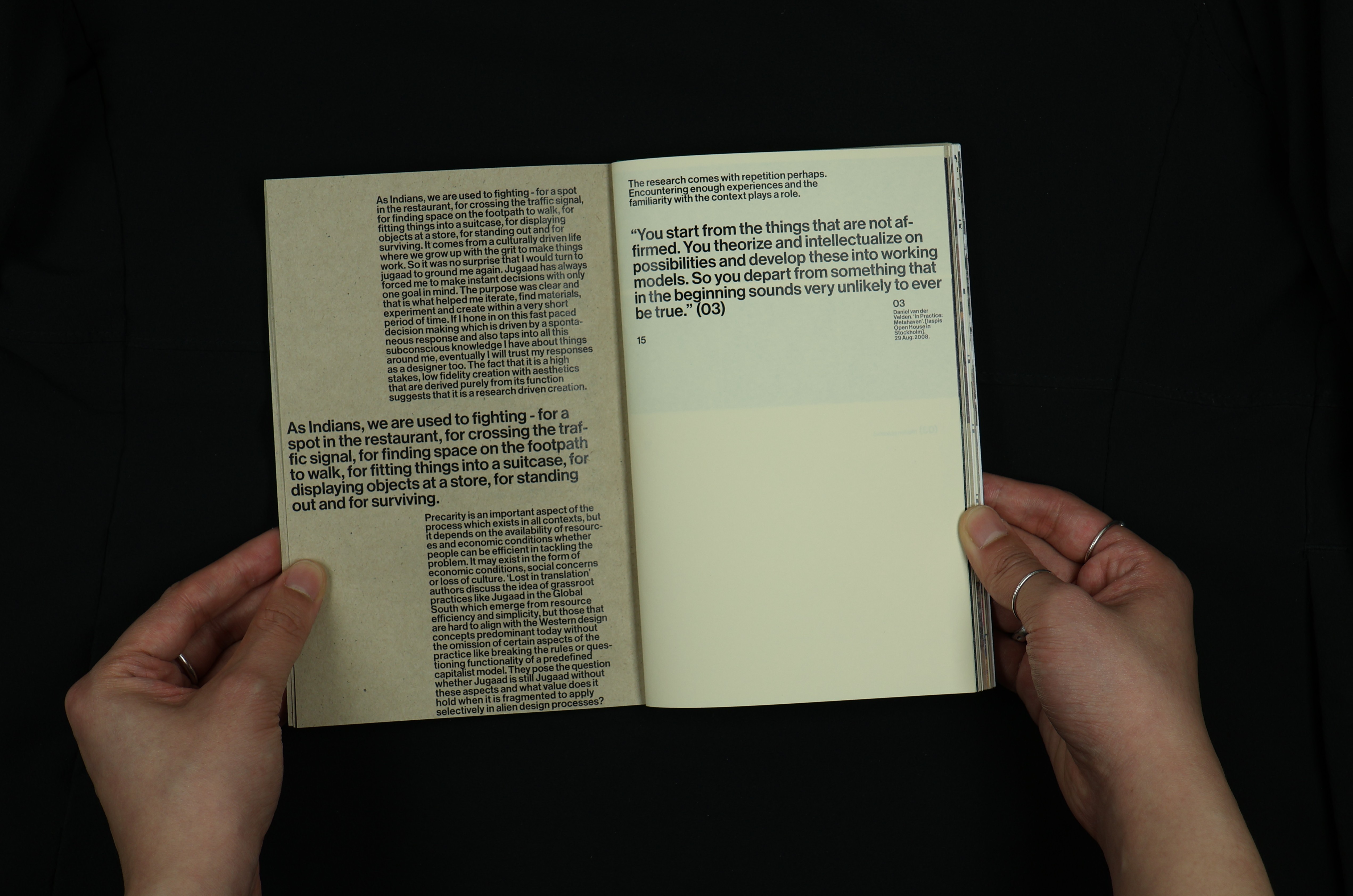
Thinking about the idea of a ‘taught design’, my starting point was to develop a foundation of actions that inspire the desired result since spontaneity cannot be rehearsed. The prompts act as starting points to inspire interpretation and multiple design outputs. This would not necessarily be a guide book but a play book. One can fully lean into their own contextual experiences and backgrounds, as each designer does.