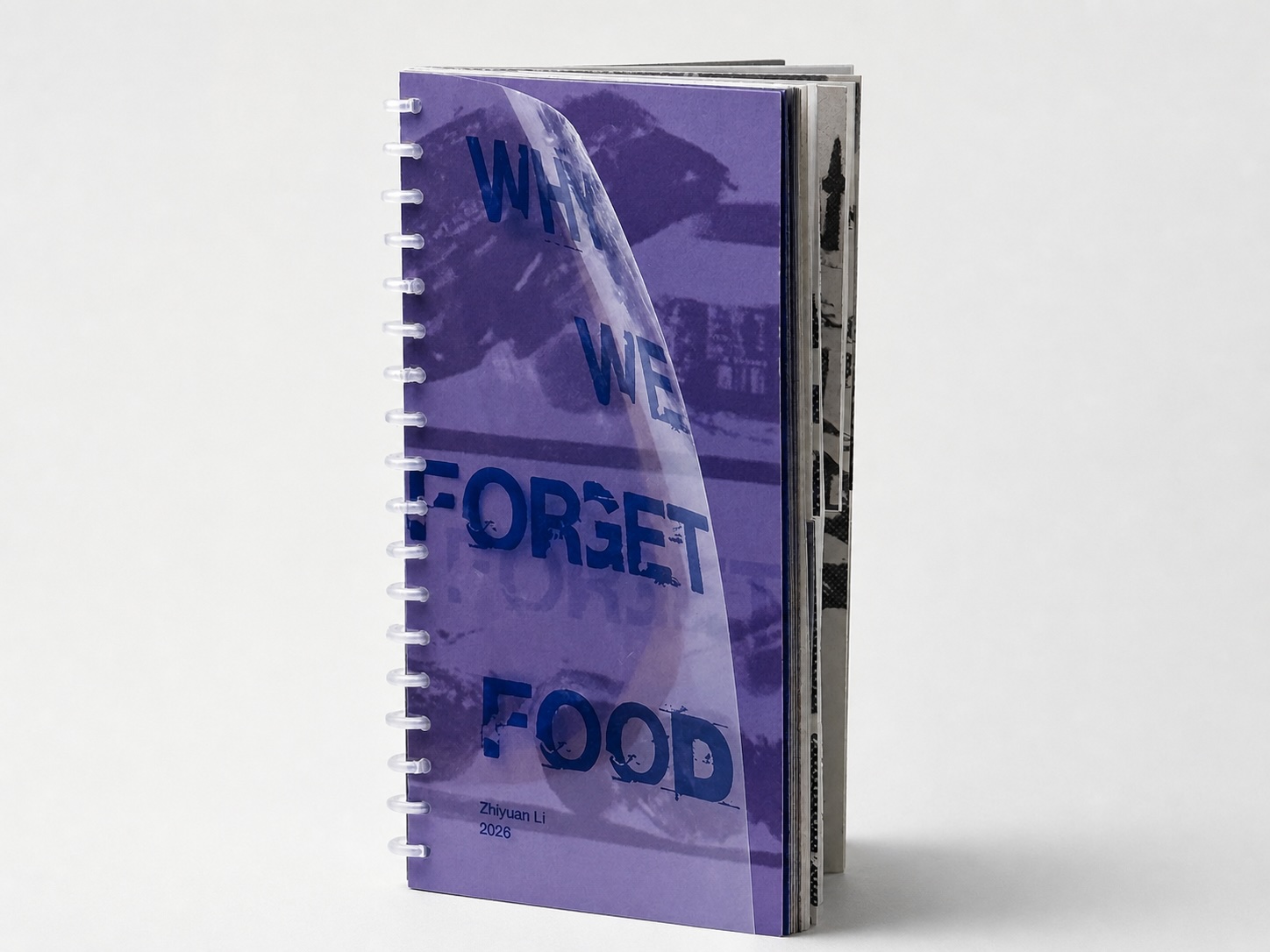
Why we forget food
Zhiyuan Li
This thesis explores the shared refrigerator as a social and spatial system in co-living environments. It reframes food waste not as a result of time, but as food disappearing from attention. Through interviews, observations, and visual analysis, the research reveals how visibility, ownership, and everyday routines shape patterns of forgetting. Rather than offering a single solution, the project creates visual and interactive approaches to make these patterns visible, asking how design can support awareness and shared responsibility in everyday life.
From Food Waste to Food Forgetting
This project investigates the refrigerator as a social and spatial infrastructure within shared homes.From Shared Apartment
By observing how roommates purchase, store, remember, and forget food, the research explores how everyday domestic practices contribute to patterns of food neglect. Through interviews, visual documentation, and design experimentation, the project reframes the refrigerator not simply as a storage appliance but as a site where memory, visibility, and responsibility intersect.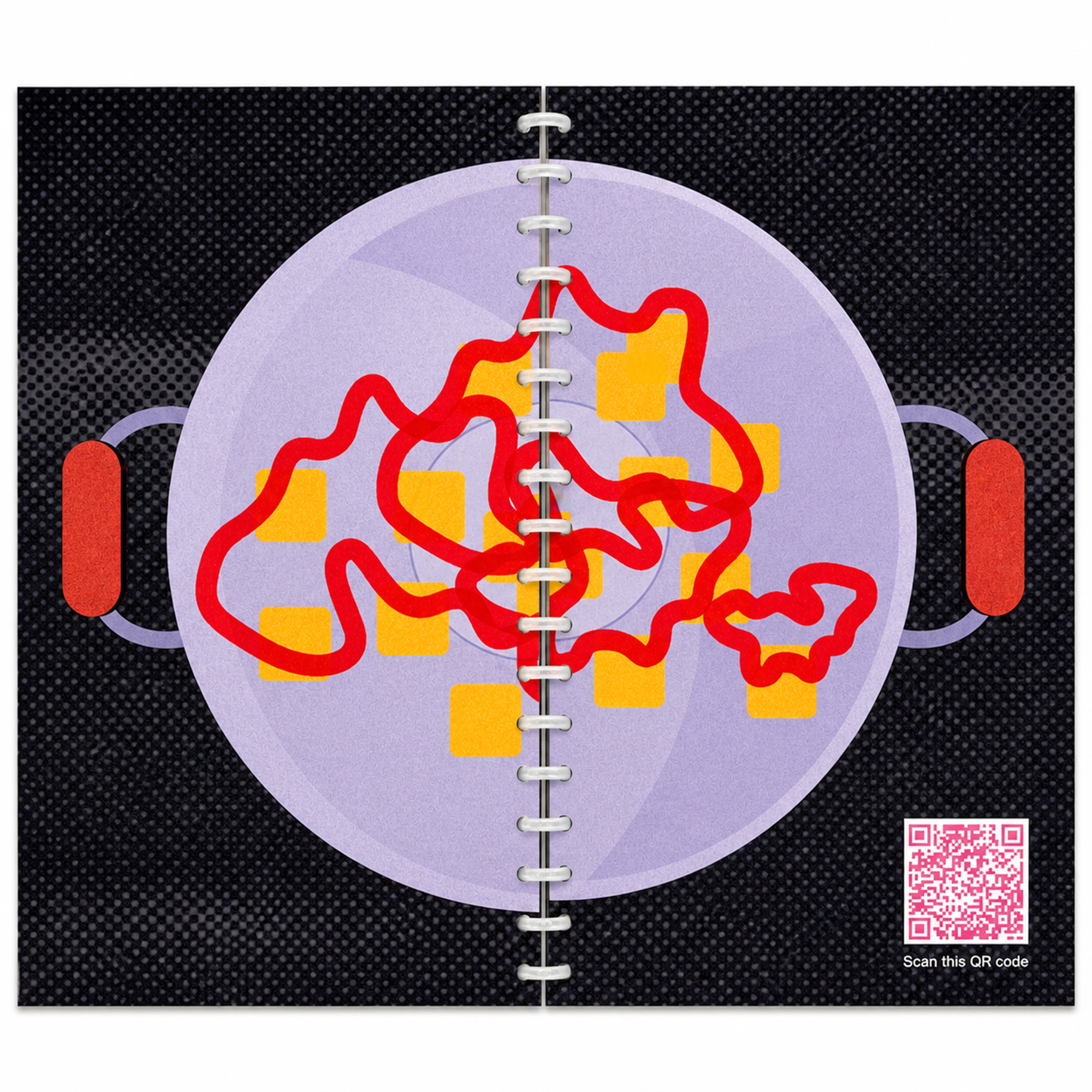
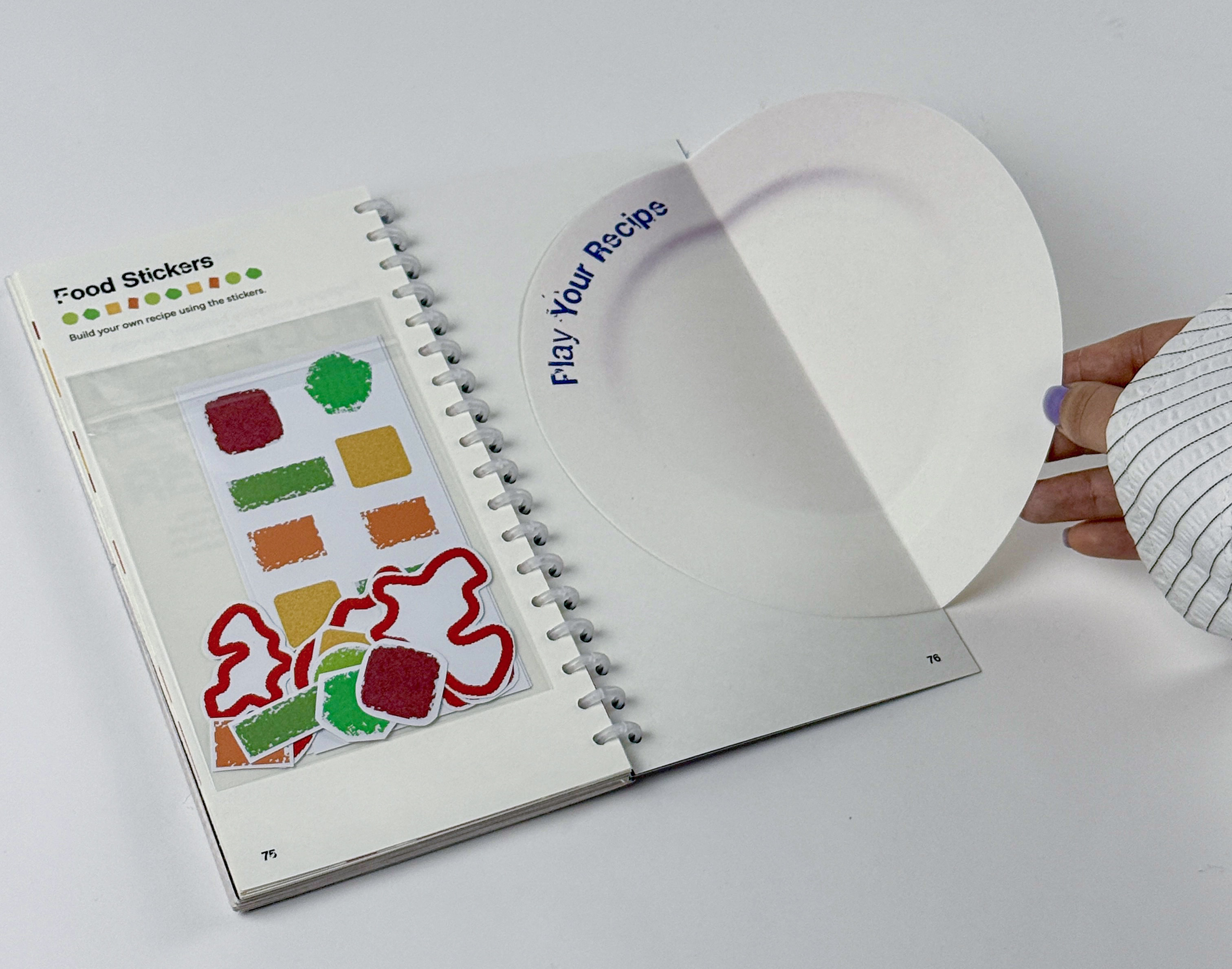
Thesis Book Inner Pages
Co-Cook is an interactive system that turns forgotten ingredients into shared meals. Instead of following fixed recipes, users drag overlooked or nearly forgotten food into a central “pot,” where new combinations are generated collaboratively. The system does not aim for perfection, but for possibility—encouraging flexible, forgiving ways of cooking together.Website of Co-Cook Recipe
By shifting focus from individual ownership to collective use, Co-Cook reframes leftovers as opportunities for interaction, care, and communication. It transforms the act of cooking into a shared negotiation, where forgotten food is not wasted, but reactivated through collaboration.