Designing for the Moment of Starting A Sensory and Emotional Approach to Procrastination
xinyi Liu
Procrastination is often treated as an efficiency problem, yet an expanding body of research suggests that its core driver is not poor time management but difficulties in emotion regulation. When tasks trigger anxiety, perfectionistic pressure, or uncertainty, individuals are more likely to avoid the task to obtain immediate emotional relief—even when this choice harms long-term goals and deepens emotional stress. This study approaches procrastination from the dual perspectives of emotional psychology and emotion-centered design, investigating how emotional experience influences task initiation, behavioral avoidance, and sustainable action.
Through literature review, case studies, user interviews, questionnaires, and self-ethnography, this study explores how emotional overload, initiation difficulty, and lack of visible progress contribute to procrastination behavior. Based on these findings, the research proposes a new design framework that treats “emotional tolerability” as a primary evaluation criterion for anti-procrastination design. Rather than focusing solely on productivity or time management, the framework emphasizes reducing emotional resistance, lowering initiation cost, and strengthening self-efficacy through sensory and visual intervention.
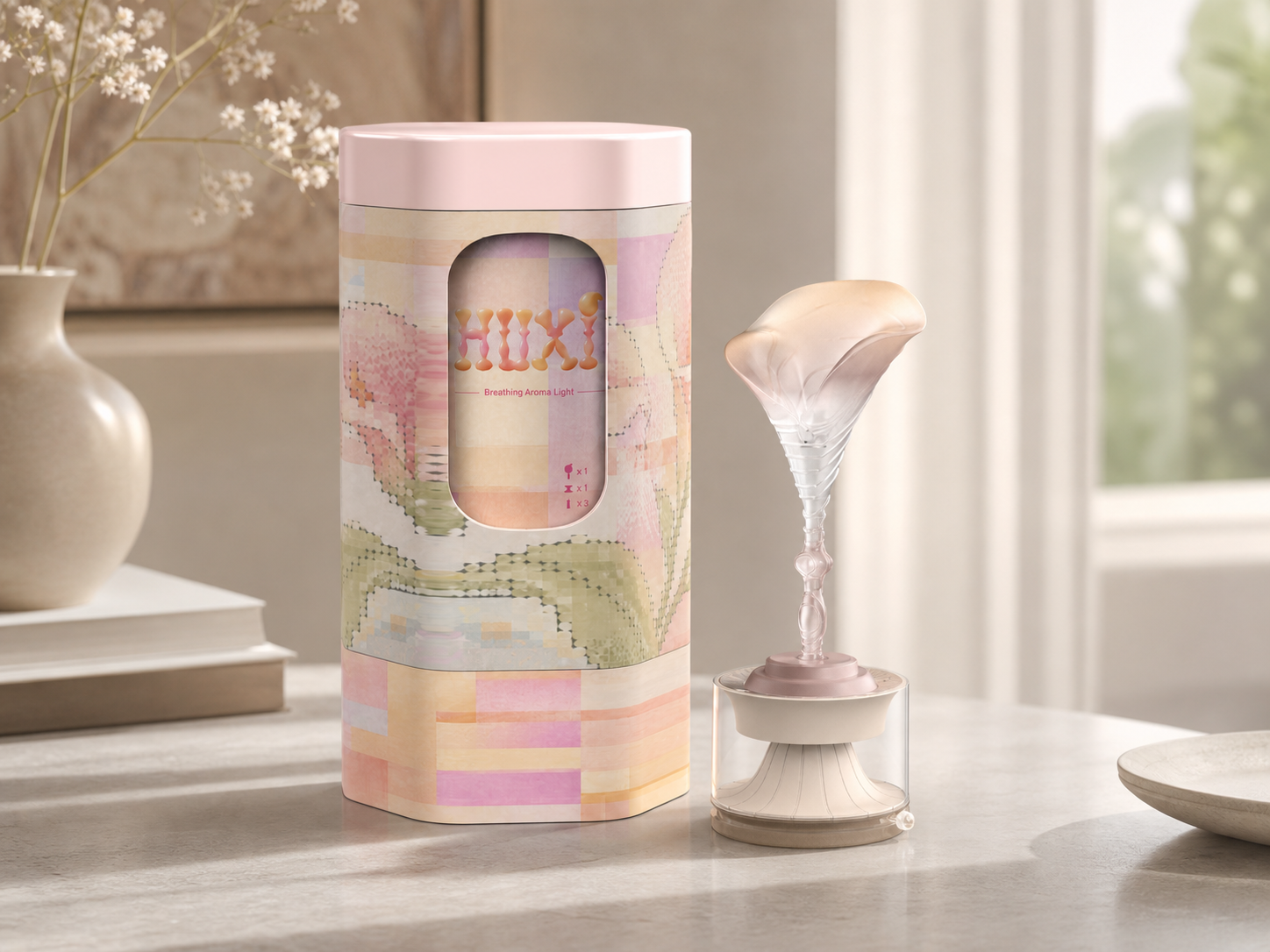
The study further connects this framework to a visualized micro-progress system and the development of HUXI, a breathing-based emotional support system designed to help users gradually transition from anxiety into a calmer and more approachable working state. The project includes a breathing aromatherapy light that combines rhythmic lighting, breathing guidance, and scent diffusion to create a multi-sensory emotional experience. Inspired by the rhythm of breathing, the form of the calla lily, lantern folds, and the soft diffusion of steam, the design transforms invisible emotional rhythms into visible and sensory interactions. In addition, the packaging system uses a slow rotating opening structure to create a ritualistic and emotionally calming unboxing experience.
By combining emotional psychology, breathing rhythms, sensory experience, and visualized progress systems, this research demonstrates how tasks can become emotionally approachable, how action can become sustainable, and how progress can become visible. The contribution of this study is to provide stronger empirical grounding and more explicit creative directions for emotion-centered anti-procrastination design, while establishing a methodological foundation for the future development of emotionally supportive design systems.
xinyi_Liu_01.jpg
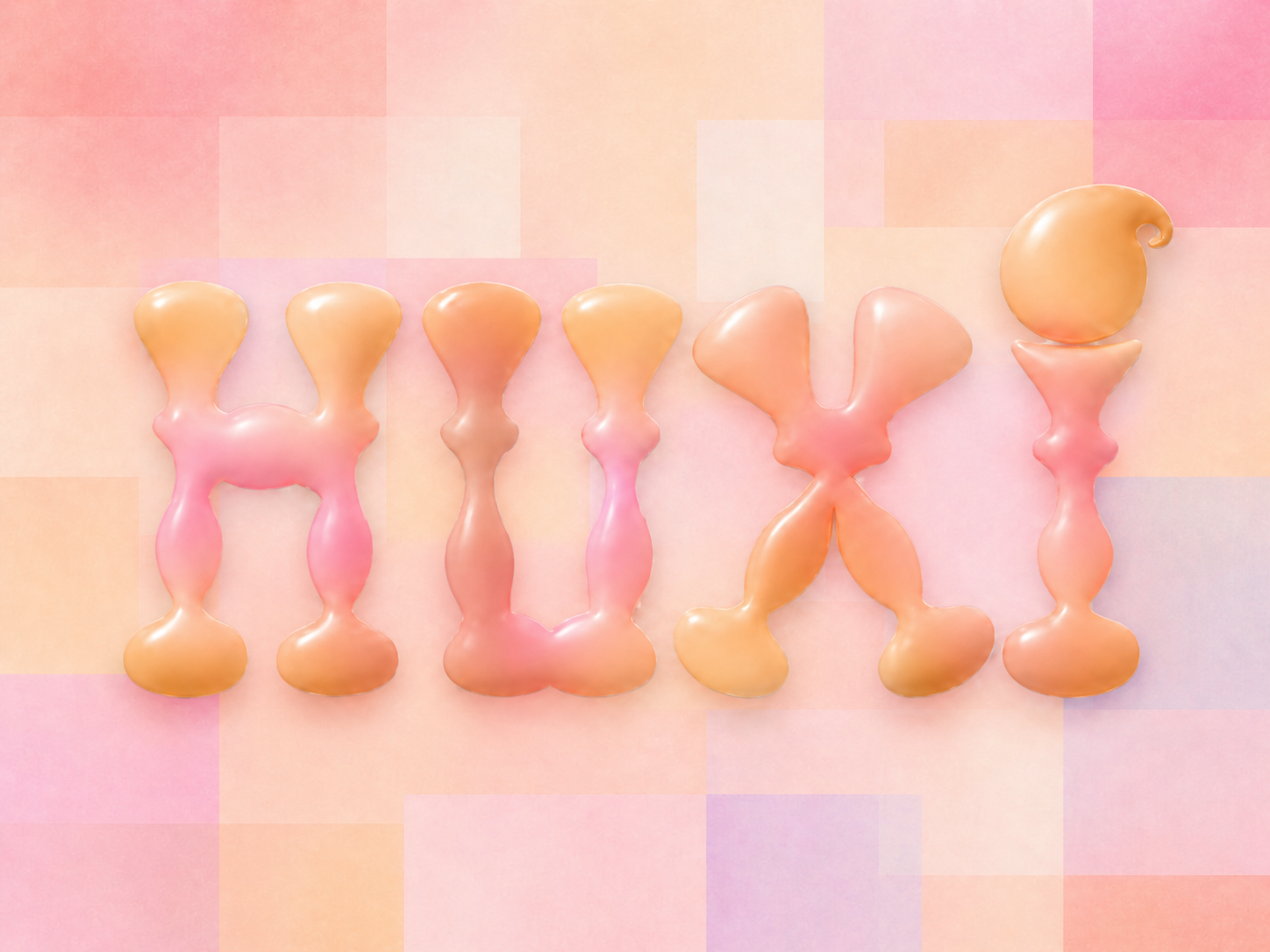
The HUXI logo is inspired by the rhythm of breathing, using soft and flowing forms to express calmness, emotional comfort, and the gentle transition into beginning.
xinyi_Liu_02.jpg
The graphic design of HUXI is inspired by breathing rhythms, emotional flow, soft light diffusion, steam movement, calla lily forms, lantern folds, and visible micro-progress elements. Through gradients, flowing lines, layered transparency, and circular structures, the visual system transforms emotional calmness and the rhythm of beginning into a soft and sensory visual language.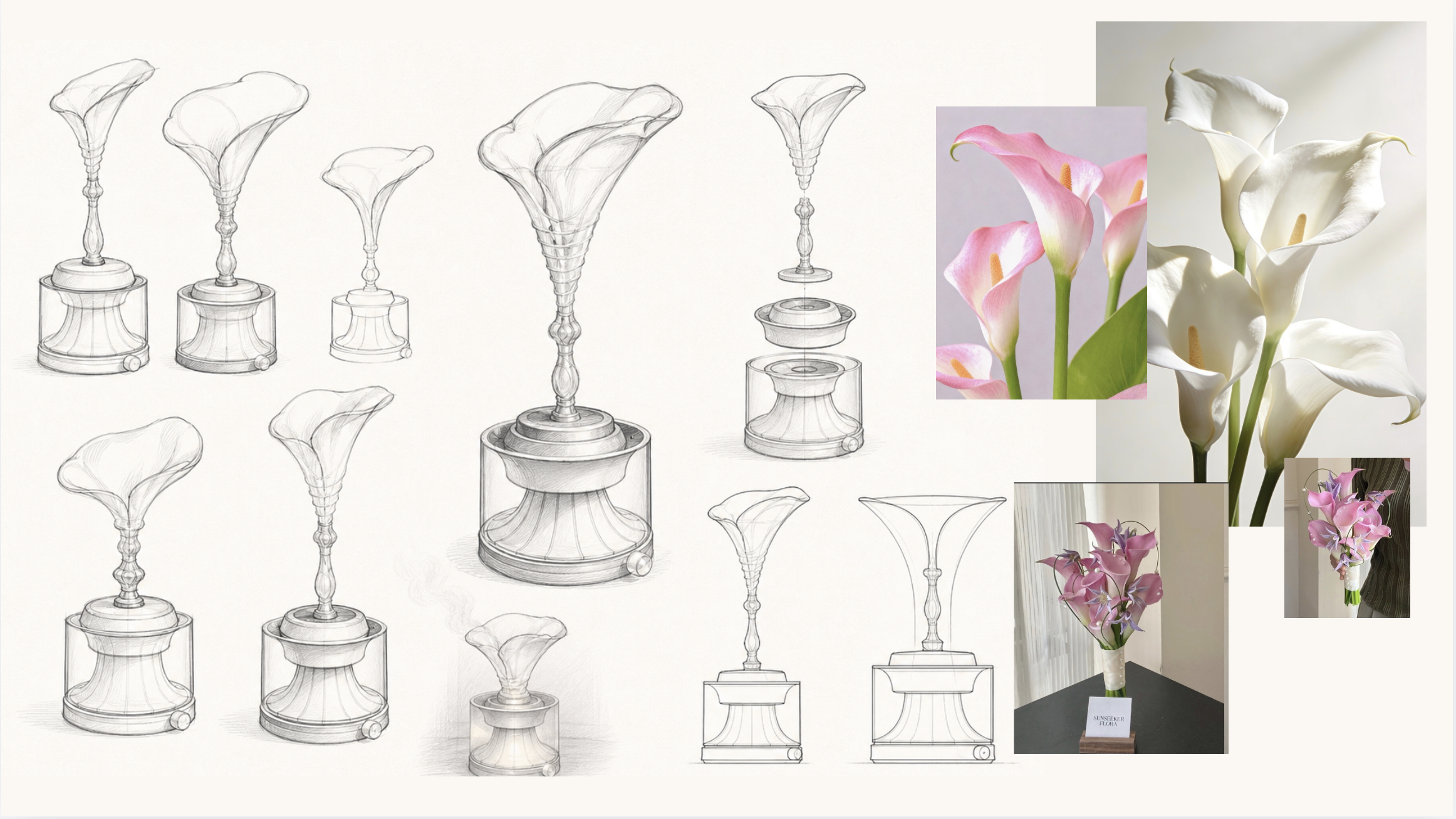
Firstname_surname_03.jpg
Product Design Inspiration and Sketches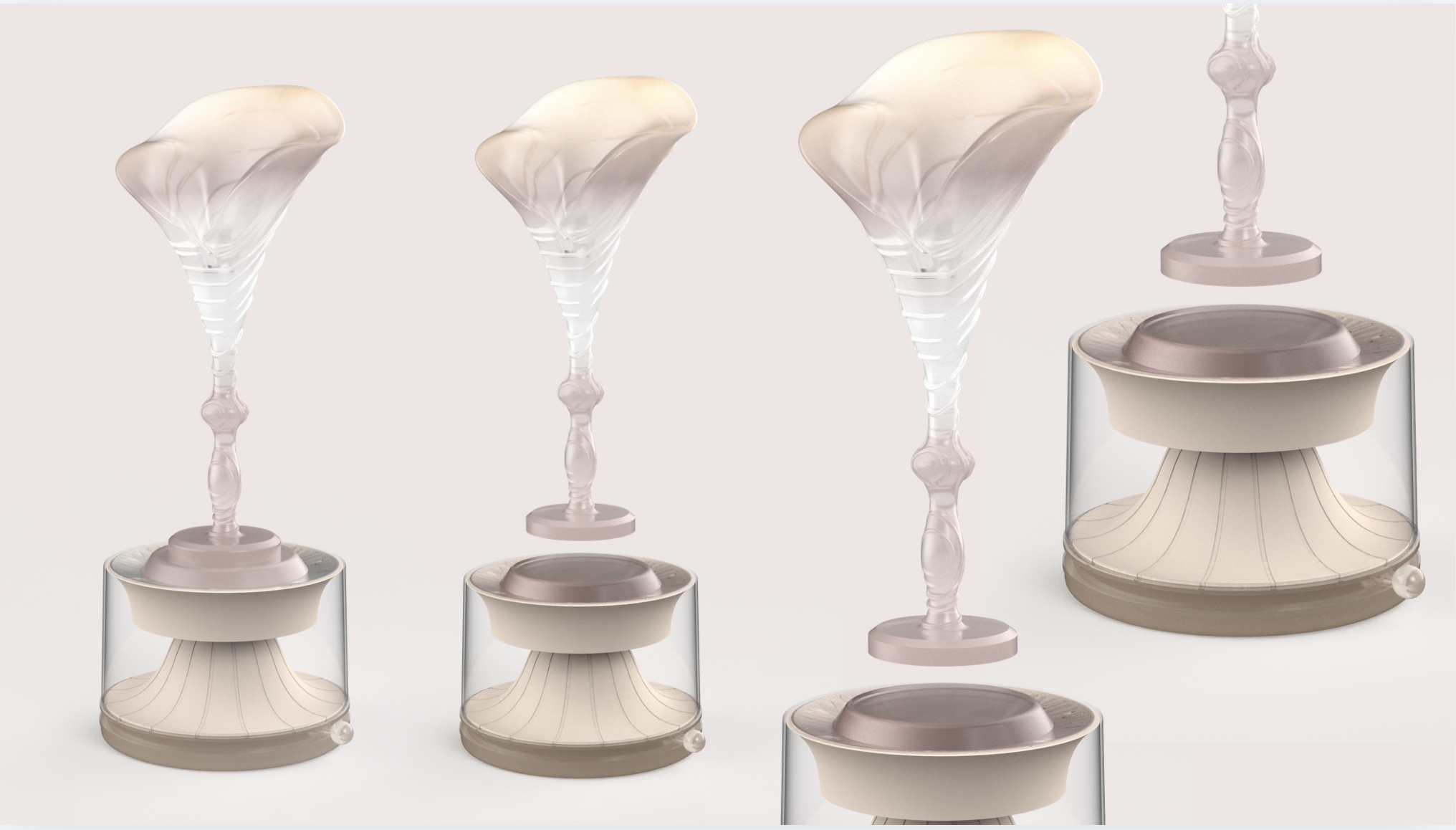
xinyi_Liu_04.jpg
HIXI Products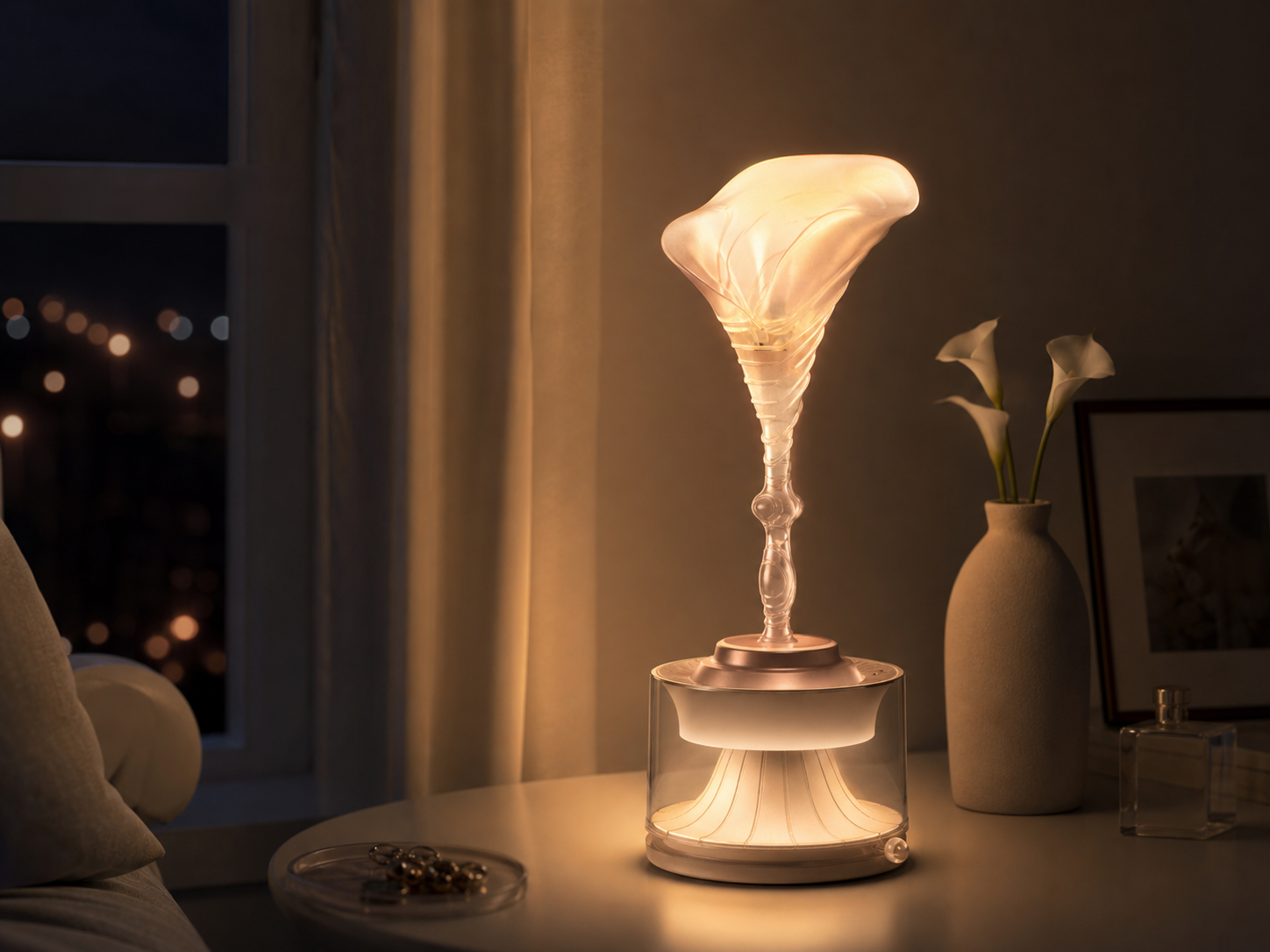
xinyi_Liu_05.jpg
The Product in a Real environment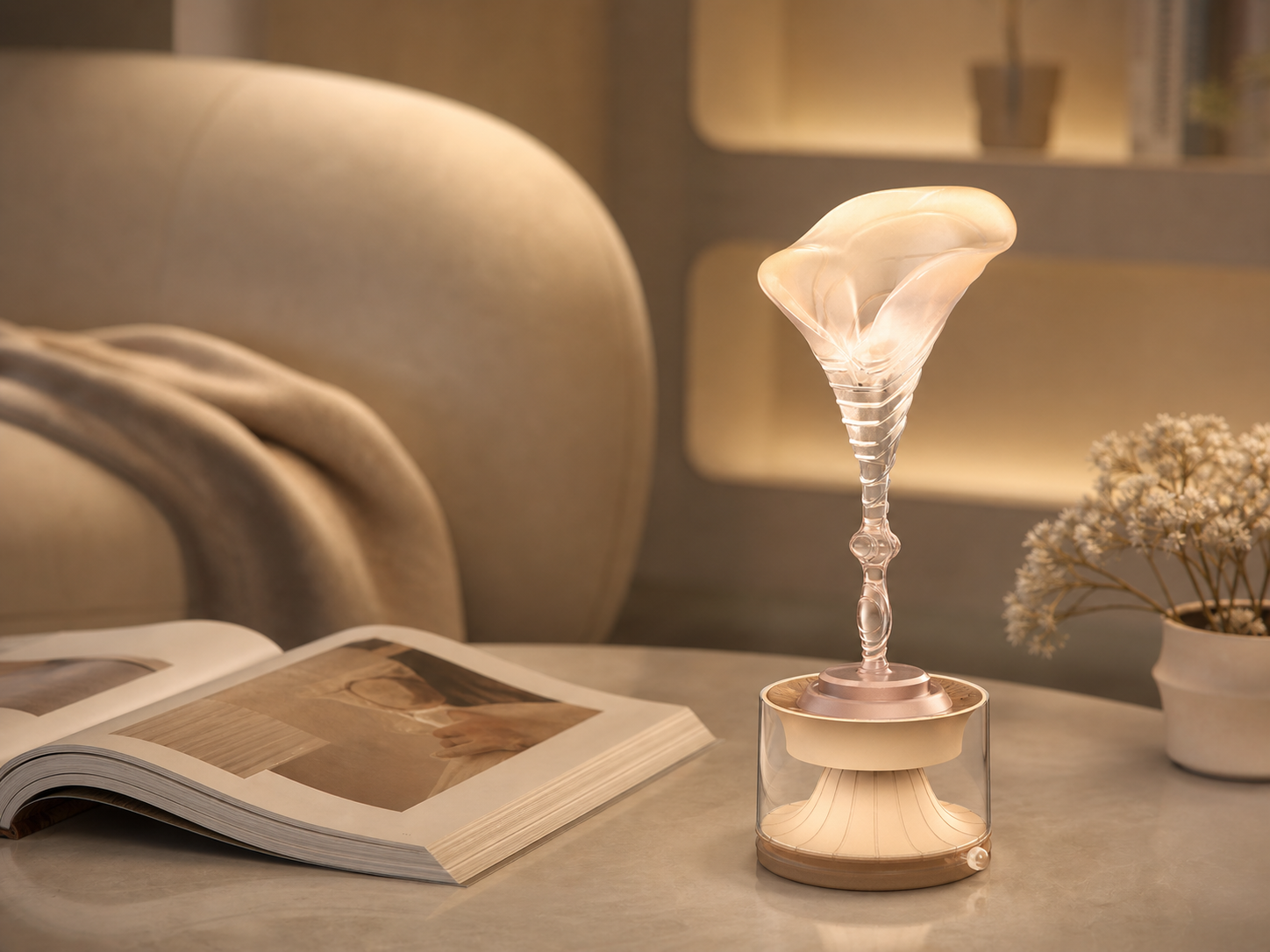
xinyi_Liu_06.jpg
The Product in a Real-World Environment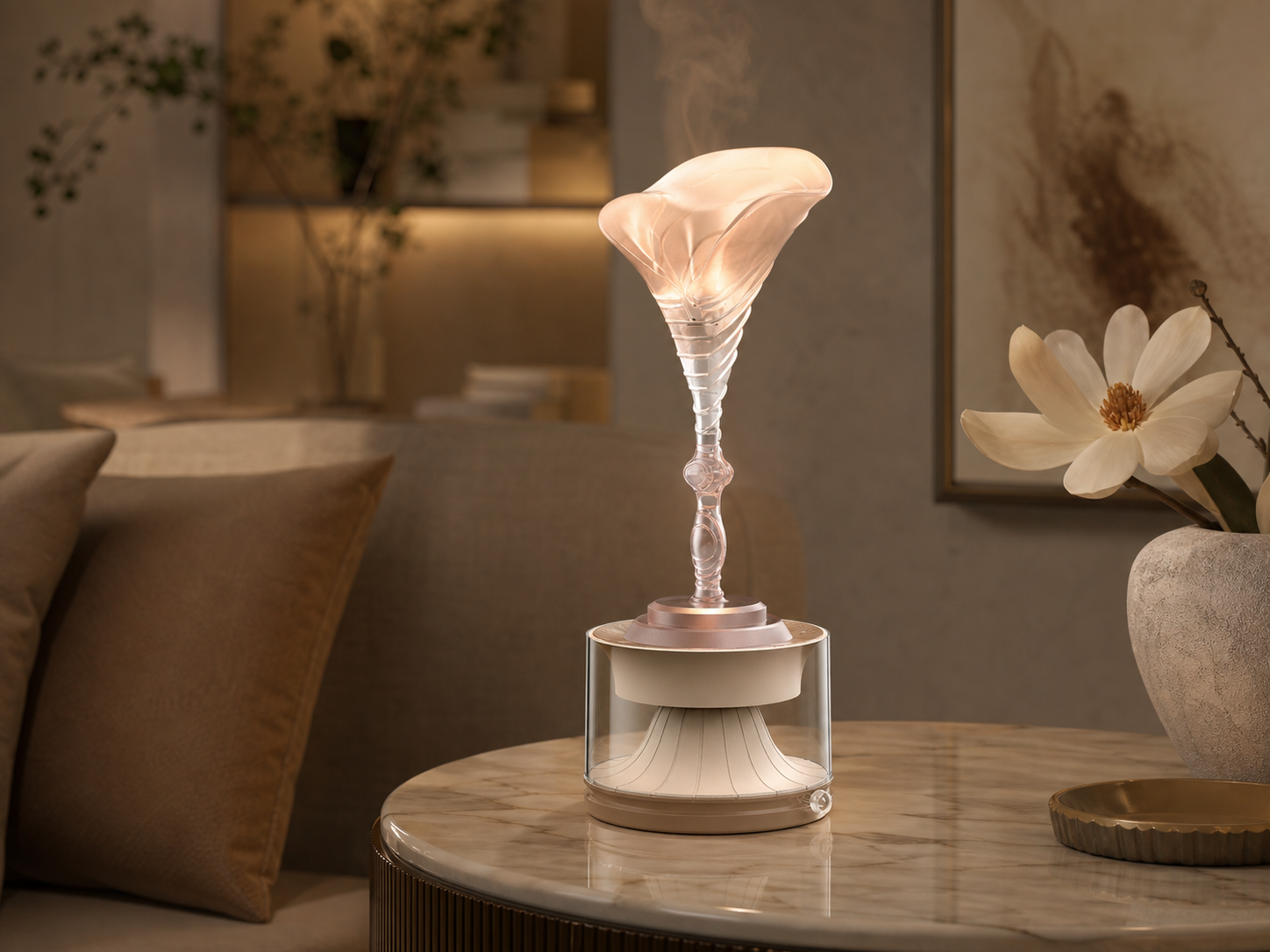
xinyi_Liu_07.jpg
The Product in a Real-World Environment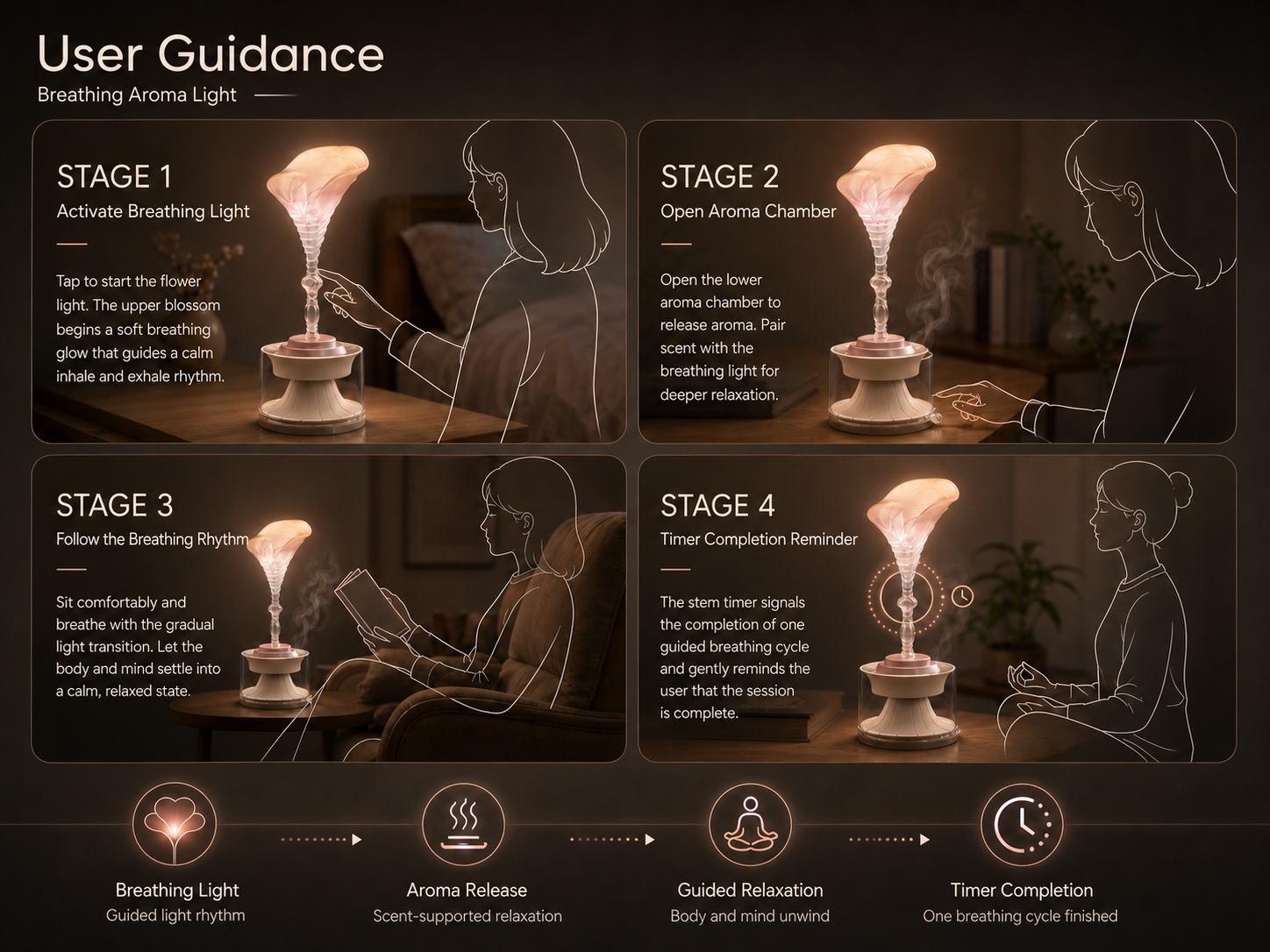
xinyi_Liu_08.jpg
User Guide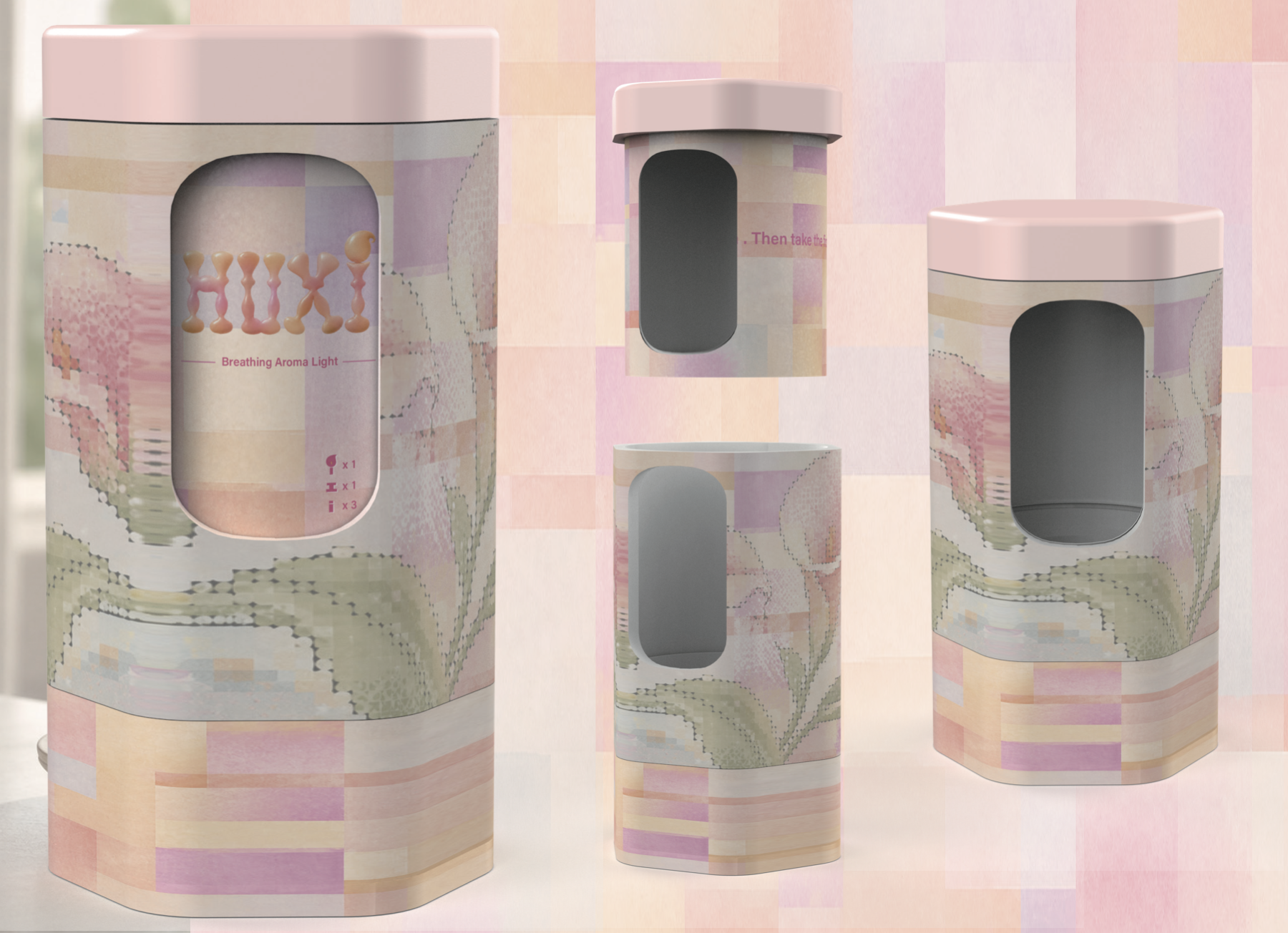
xinyi_Liu_09.jpg
The packaging structure of HUXI uses a two-part rotating opening system. The upper section gradually reveals the breathing aromatherapy light, while the lower section stores aromatherapy refills and accessories. Inspired by breathing rhythms and slow unfolding movements, the structure creates a calm and ritualistic opening experience while also functioning as a reusable storage and dust-protection case.